FDA Updates EMC Requirements for Electronic Beauty Devices Effective June 15, 2026
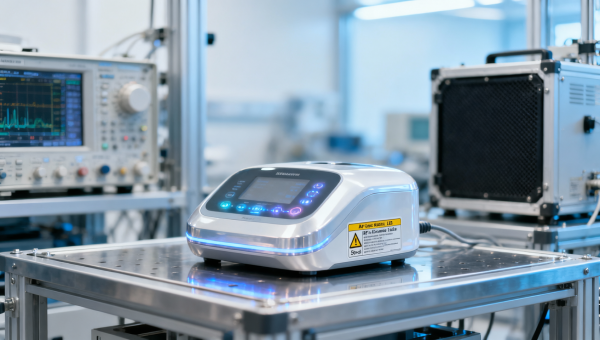
On May 29, 2026, the U.S. Food and Drug Administration (FDA) released Electronic Beauty Devices: EMC and Labeling Guidance v2.1, mandating new electromagnetic compatibility (EMC) testing and bilingual labeling requirements for RF, microcurrent, and LED phototherapy beauty devices—effective June 15, 2026. This update directly affects manufacturers, exporters, and distributors of electronic aesthetic devices targeting the U.S. market, particularly those engaged in OEM/ODM production in China and other export-oriented regions.
Event Overview
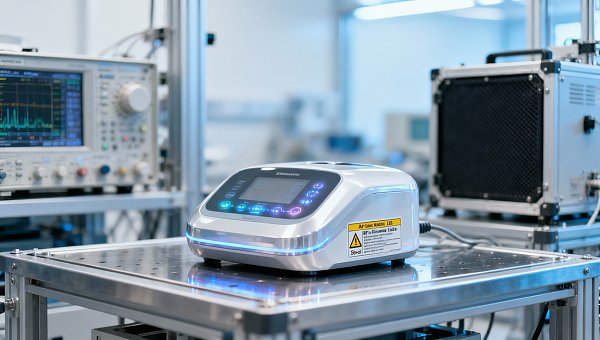
The FDA issued Electronic Beauty Devices: EMC and Labeling Guidance v2.1 on May 29, 2026. Starting June 15, 2026, all radiofrequency (RF), microcurrent, and LED light therapy beauty devices—whether intended for home or professional use—must comply with enhanced EMC testing per FCC Part 18 and IEC 60601-2-57. Additionally, devices must bear a bilingual (English + Spanish) warning label affixed directly to the unit. Non-compliant products will be detained by U.S. Customs and Border Protection (CBP) upon entry.
Industries Affected
ODM/OEM Manufacturing Enterprises (especially based in China)
These firms produce electronic beauty devices under private labels for U.S.-based brands. The updated EMC requirements directly impact product certification timelines and factory-level quality control processes. Since testing must now meet medical-grade standards (IEC 60601-2-57), rather than general consumer electronics benchmarks, existing test reports may no longer be accepted—requiring retesting or full recertification.
Export Trading Companies & Distributors
Firms managing U.S.-bound shipments face heightened compliance risk at the port of entry. CBP detention of non-compliant units could trigger shipment delays, storage fees, and potential customs penalties. Documentation—including test reports, labeling verification, and FDA registration status—must be pre-validated before dispatch.
Third-Party Testing & Certification Service Providers
Laboratories accredited for FCC Part 18 and IEC 60601-2-57 are experiencing increased demand. Lead times for EMC testing have extended significantly; some labs report backlogs beyond mid-June 2026. Capacity constraints may affect clients’ ability to meet the June 15 enforcement deadline.
Key Points for Stakeholders and Recommended Actions
Confirm test scope alignment with FDA’s v2.1 guidance
Verify that current or planned EMC testing explicitly covers both FCC Part 18 (for industrial, scientific, and medical equipment emissions) and IEC 60601-2-57 (specifically for aesthetic light-based and electrotherapy devices). General IEC 61000-6-3/6-4 or FCC Part 15 testing is insufficient under the new guidance.
Prioritize label placement and language validation
Ensure the bilingual (English + Spanish) warning label is physically affixed to the device—not just included in packaging or manuals—and that its content matches FDA-recommended phrasing in the guidance document. Label durability, legibility, and location must withstand routine handling and cleaning.
Secure lab capacity for EMC testing before early June 2026
Given reported scheduling pressure at accredited labs, ODM manufacturers should confirm testing availability and submit samples no later than June 1–5, 2026, to allow time for retesting if initial results fail. Pre-submission consultation with labs on test plan alignment is strongly advised.
Review FDA registration and establishment listing status
While not newly mandated, the guidance reinforces that all manufacturers exporting electronic beauty devices to the U.S. must maintain active FDA establishment registration and device listing. Inactive or incomplete registrations may compound CBP detention risks—even if EMC and labeling are compliant.
Editorial Perspective / Industry Observation
Observably, this guidance revision signals a regulatory shift toward treating certain electronic beauty devices as functionally adjacent to low-risk medical devices—particularly due to their reliance on energy-based modalities (e.g., RF, microcurrent). Analysis shows the FDA is harmonizing expectations with international clinical safety frameworks, rather than introducing entirely new hazard categories. From an industry perspective, this is less a sudden enforcement escalation and more a formalization of evolving expectations that have been communicated informally since 2024. Current enforcement focus appears targeted at documentation completeness and label visibility—not retrospective review of already-cleared devices—but continued alignment with FDA’s Center for Devices and Radiological Health (CDRH) updates remains essential.
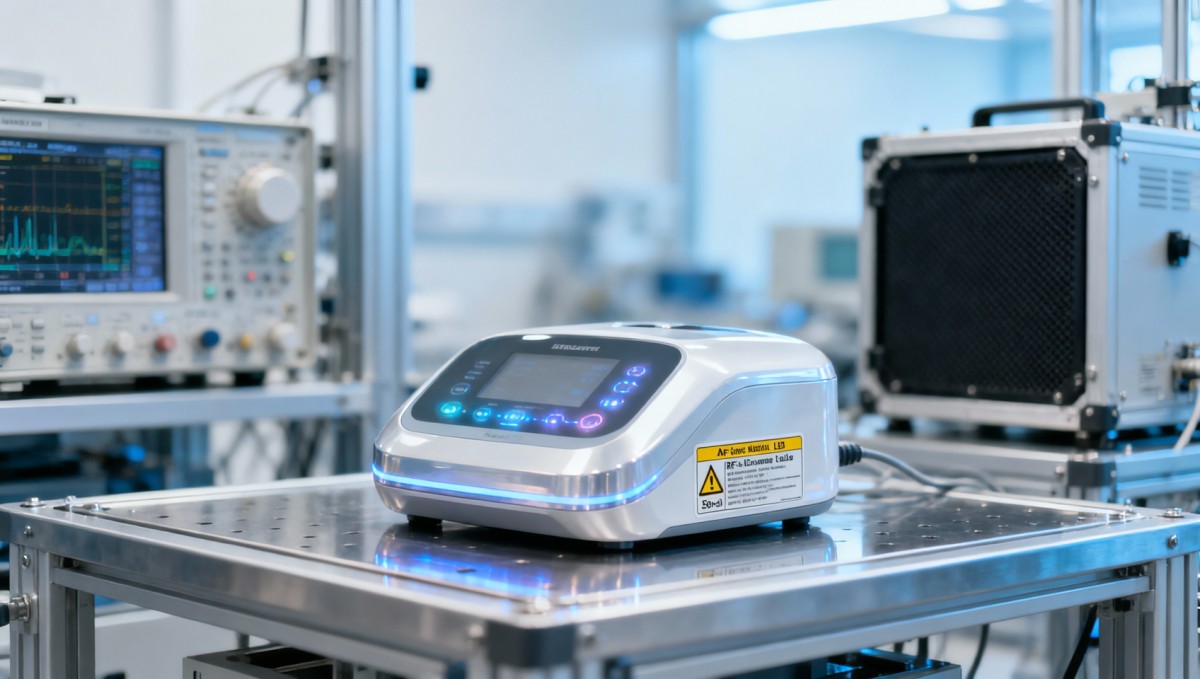
Conclusion: This guidance does not introduce novel device classifications, but it does tighten technical and labeling enforcement thresholds for a well-defined subset of electronic beauty products. Its primary operational impact lies in certification logistics and import readiness—not fundamental redesign. For stakeholders, it is best understood not as a disruptive policy change, but as a procedural checkpoint requiring advance coordination across manufacturing, testing, and regulatory documentation workflows.
Source: U.S. FDA, Electronic Beauty Devices: EMC and Labeling Guidance v2.1, issued May 29, 2026. Enforcement date: June 15, 2026.
Noted for ongoing observation: Potential future alignment with FDA’s forthcoming digital health software policy framework, if applicable to connected beauty devices—though not referenced in v2.1.
Related Intelligence
 Default CategoryJun 01, 2026K-REACH STS Registration Opens for Supply-Critical Sunscreen ChemicalsK-REACH STS registration is live! Secure compliance for Octocrylene, Homosalate & other sunscreen chemicals before 30 June 2026 to keep supplying Korea’s $1.2B+ infant skincare market.
 Default CategoryJun 01, 2026Vietnam Enforces Microbial Testing for Imported Baby Care Products from June 2026Vietnam enforces mandatory microbial testing for imported baby care products from June 2026—key for shampoos, lotions & wet wipes. Act now to avoid delays!
 Default CategoryJun 01, 2026FDA Updates EMC Requirements for Electronic Beauty Devices Effective June 15, 2026FDA's new EMC requirements for electronic beauty devices—RF, microcurrent & LED—take effect June 15, 2026. Learn compliance steps, bilingual labeling rules, and urgent testing tips.
 Default CategoryJun 01, 2026EU REACH Adds 4 Allergenic Fragrance Substances to Labeling RequirementsEU REACH now requires labeling of 4 allergenic fragrance substances—Linalool oxide, Amyl cinnamal, Cinnamyl alcohol & Hydroxycitronellal. Act before 1 June 2026!
 Default CategoryJun 01, 2026RCEP Zero Tariffs on Cosmetics for ASEAN Take Effect May 2026RCEP zero tariffs on cosmetics for ASEAN take effect May 2026—unlock USD 3,000+ duty savings per container. Discover how Chinese OEMs, traders & logistics firms gain competitive edge.
 Corporate & Seasonal GiftsJun 01, 2026Retail Insights for 2026 Gift Demand PlanningRetail insights for 2026 gift demand planning: discover travel retail trends, sourcing models, compliance risks, and smarter strategies to boost margins.
 Beauty DevicesJun 01, 2026Diode Laser Hair Removal Price: What Affects CostDiode laser hair removal price explained: discover key cost factors, hidden fees, certifications, and supplier tips for profitable wellness tourism services.
 Corporate & Seasonal GiftsJun 01, 2026Personalized Keychains Bulk: MOQ and Quality TipsPersonalized keychains bulk sourcing guide for travel retailers: compare MOQ, materials, customization, packaging, and quality checks to reduce risk and boost souvenir sales.
 Corporate & Seasonal GiftsJun 01, 2026Gift Manufacturers: Cost Checks Before OrderingGift manufacturers can hide costs in materials, compliance, packaging, and freight. Learn key checks to protect margins and launch travel gifts on time.
 Infant Feeding & CareJun 01, 2026How to Compare Pacifier Suppliers SafelyPacifier suppliers must be compared by safety, compliance, materials, packaging, and traceability to reduce recall risk and protect trust in baby travel retail.
 STEM & Educational ToysMay 31, 2026Sensory Bath Toys: Safe Materials GuideSensory bath toys made safer: compare materials, certifications, mold-resistant designs, and travel-friendly picks for calmer hotel, resort, and home bath times.
 Pet Grooming & TravelMay 31, 2026Pet International Retail Trends to Watch in 2026Pet international retail trends for 2026 reveal how travel brands can grow revenue with compliant, premium, sustainable pet products for hotels, airports, and tourism channels.
 Pet Furniture & EnrichmentMay 31, 2026Small Animal Cage Manufacturer Cost FactorsSmall animal cage manufacturer cost factors explained: compare materials, compliance, MOQ, logistics, and hidden risks to protect pet travel retail margins.