Vietnam Enforces Microbial Testing for Imported Baby Care Products from June 2026
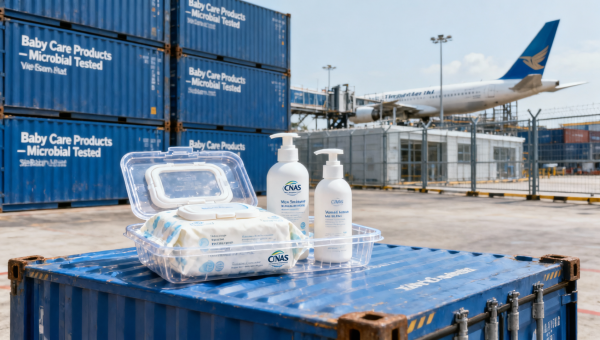
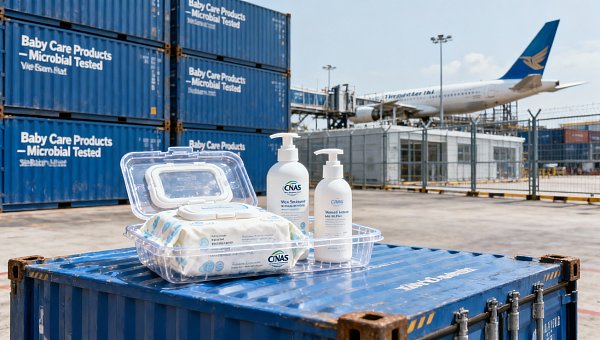
Vietnam’s Ministry of Health announced on May 28, 2026, that mandatory batch-by-batch microbial testing will take effect for imported infant and toddler care products—including baby shampoos, moisturizing lotions, and wet wipes—starting June 1, 2026. The requirement, based on national standard TCVN 8727:2026, adds 3–5 working days to laboratory testing at ports of entry. Combined with ongoing expansion works at Tan Son Nhat International Airport’s inspection zone in Ho Chi Minh City, average customs clearance dwell time has extended to 7–9 days. Exporters and OEM manufacturers in China supplying these products to Vietnam should now reassess lead times, documentation readiness, and supply chain resilience—particularly those operating in infant personal care manufacturing, cross-border logistics, and regulatory compliance services.
Event Overview
On May 28, 2026, Vietnam’s Ministry of Health issued an official notice stating that, effective June 1, 2026, all imported infant and toddler care products—including shampoos, lotions, and wet wipes—must undergo compulsory microbial limit testing upon arrival at Vietnamese ports. The testing follows the newly updated national standard TCVN 8727:2026. Each shipment is subject to batch-level testing, with a confirmed laboratory processing time of 3–5 working days. Concurrently, Tan Son Nhat International Airport’s cargo inspection area is undergoing capacity expansion, resulting in an observed average port dwell time of 7–9 days for affected shipments.
Industries Affected
Direct Trading Enterprises: Importers and distributors handling branded or private-label baby care goods face extended inventory turnover cycles and higher demurrage risk due to mandatory testing and longer port stays. Cash flow planning and order timing must now account for an additional 7–9 days before goods become available for domestic distribution.
OEM/ODM Manufacturing Enterprises (China-based): Chinese contract manufacturers producing baby care products for Vietnamese clients are directly impacted by upstream documentation requirements. They must now generate and submit full-spectrum microbial test reports—issued by CNAS-accredited laboratories—prior to shipment to support faster customs release. Failure to provide compliant reports may trigger retesting or rejection at the border.
Supply Chain & Logistics Service Providers: Cross-border freight forwarders and customs brokers servicing Sino-Vietnamese baby care trade routes must adjust service level agreements (SLAs) and client communication protocols. The combined effect of regulatory testing and infrastructure constraints means guaranteed transit timelines are no longer viable; buffer windows of at least 5–7 days must be built into end-to-end delivery estimates.
Key Considerations and Recommended Actions
Monitor official implementation guidance and potential phased rollout
While the policy takes effect on June 1, 2026, the Ministry of Health has not yet published detailed operational guidelines—for example, exemptions for low-risk formulations, transitional arrangements for pre-registered products, or criteria for accepting pre-shipment test reports. Companies should track updates from Vietnam’s Drug Administration (under MOH) and local customs authorities over the next 30 days.
Prioritize documentation readiness for high-volume SKUs
Analysis shows that wet wipes and rinse-off products (e.g., shampoos) are most likely to trigger microbial non-conformities under TCVN 8727:2026 due to preservative system sensitivity. Firms should proactively validate existing formulations against the new limits and ensure CNAS-accredited lab reports cover all required parameters—including Staphylococcus aureus, Pseudomonas aeruginosa, Escherichia coli, Candida albicans, and total aerobic microbial count—before shipping.
Adjust procurement and production scheduling to absorb added lead time
Observably, the 3–5-day lab testing window is not additive to—but concurrent with—customs document review. However, physical sample submission and result verification occur sequentially after unloading, meaning the total delay compounds with airport congestion. To maintain shelf-life integrity and retail replenishment cycles, manufacturers should shift production start dates forward by 10–12 days for shipments destined for Vietnam starting in Q2 2026.
Verify laboratory accreditation scope and report validity
Not all CNAS-accredited labs are authorized to issue reports acceptable under TCVN 8727:2026. From industry perspective, firms must confirm that their chosen lab holds current CNAS accreditation *specifically* for cosmetic microbiological testing (ISO/IEC 17025 scope), and that reports include raw data traceability, method references aligned with TCVN 8727:2026 Annex A, and original wet-ink signatures—not digital copies only.
Editorial Observation / Industry Perspective
This measure is better understood as a formalization of existing de facto scrutiny rather than a wholly new regulatory threshold. Vietnam has incrementally tightened controls on imported cosmetics since 2022, especially for products targeting vulnerable populations. The timing—coinciding with airport infrastructure upgrades—suggests coordinated enforcement capacity building. Analysis shows the policy signals Vietnam’s broader shift toward aligning cosmetic import controls with ASEAN Common Technical Dossier (CTD) expectations, though full harmonization remains years away. For now, it functions both as a compliance checkpoint and a de facto trade filter: firms with robust quality systems and documentation discipline will experience minimal disruption, while others may face repeated delays or cost escalations.
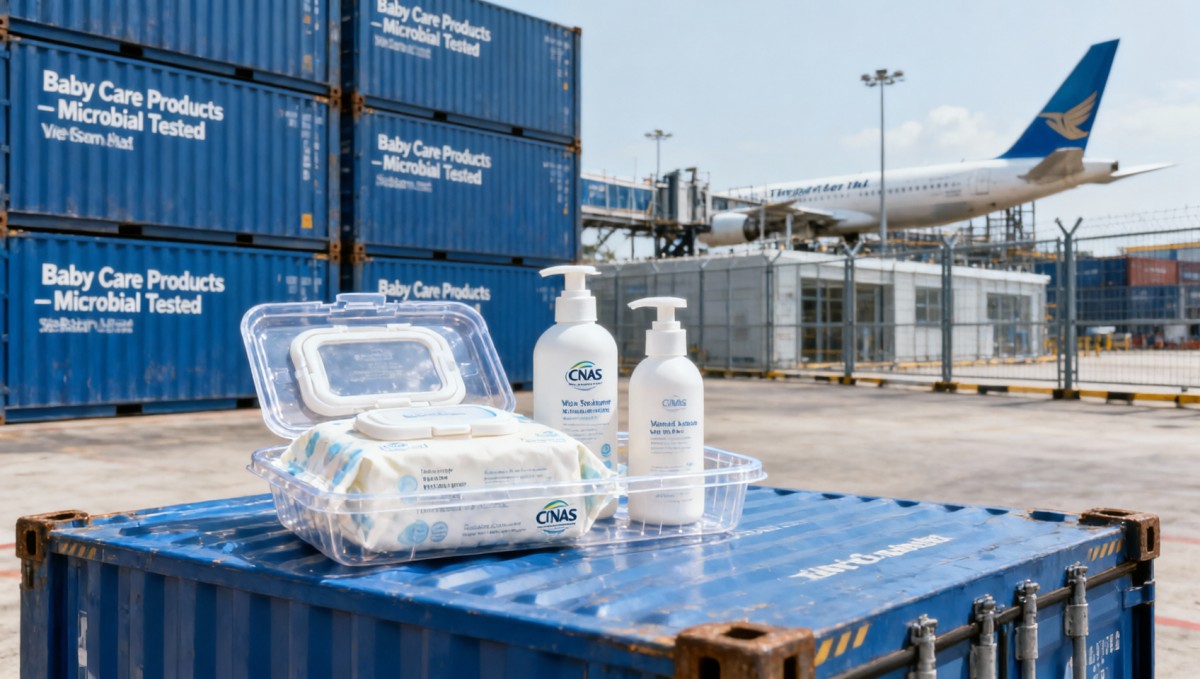
Conclusion: This regulation does not represent an abrupt market barrier but rather a structural recalibration of import readiness standards for Vietnam’s infant care segment. Its primary impact lies in shifting responsibility upstream—to manufacturers and exporters—rather than relying solely on post-entry inspection. Current conditions favor companies that treat regulatory documentation as integral to product development, not as a final administrative step. The extension in logistics timelines is a secondary consequence, not the core intent; accordingly, operational adaptation should center on testing preparedness and lab report governance, not just freight planning.
Source: Official Notice No. [unspecified number], issued by Vietnam Ministry of Health on May 28, 2026. Standard TCVN 8727:2026 published by Vietnam Standards and Quality Institute (TCVN). Airport congestion data cited from Vietnam Airports Corporation (ACV) internal operations bulletin, May 2026. Note: Implementation details—including exemption criteria, accepted report formats, and potential pilot phases—are pending further MOH clarification and remain under active observation.
Related Intelligence
 Default CategoryJun 01, 2026K-REACH STS Registration Opens for Supply-Critical Sunscreen ChemicalsK-REACH STS registration is live! Secure compliance for Octocrylene, Homosalate & other sunscreen chemicals before 30 June 2026 to keep supplying Korea’s $1.2B+ infant skincare market.
 Default CategoryJun 01, 2026Vietnam Enforces Microbial Testing for Imported Baby Care Products from June 2026Vietnam enforces mandatory microbial testing for imported baby care products from June 2026—key for shampoos, lotions & wet wipes. Act now to avoid delays!
 Default CategoryJun 01, 2026FDA Updates EMC Requirements for Electronic Beauty Devices Effective June 15, 2026FDA's new EMC requirements for electronic beauty devices—RF, microcurrent & LED—take effect June 15, 2026. Learn compliance steps, bilingual labeling rules, and urgent testing tips.
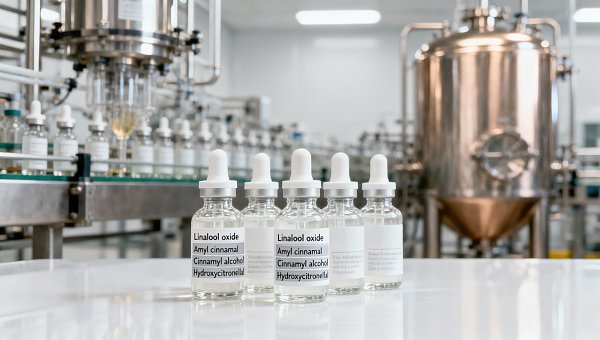
 Default CategoryJun 01, 2026EU REACH Adds 4 Allergenic Fragrance Substances to Labeling RequirementsEU REACH now requires labeling of 4 allergenic fragrance substances—Linalool oxide, Amyl cinnamal, Cinnamyl alcohol & Hydroxycitronellal. Act before 1 June 2026!
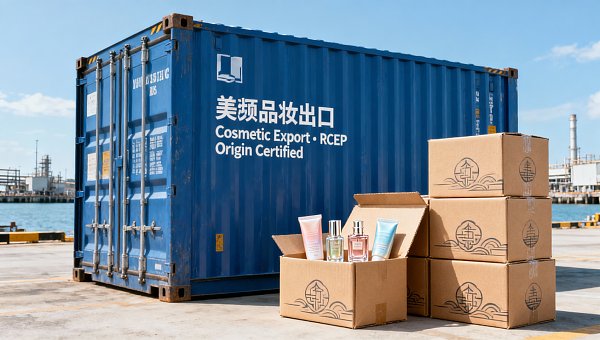
 Default CategoryJun 01, 2026RCEP Zero Tariffs on Cosmetics for ASEAN Take Effect May 2026RCEP zero tariffs on cosmetics for ASEAN take effect May 2026—unlock USD 3,000+ duty savings per container. Discover how Chinese OEMs, traders & logistics firms gain competitive edge.
 Corporate & Seasonal GiftsJun 01, 2026Retail Insights for 2026 Gift Demand PlanningRetail insights for 2026 gift demand planning: discover travel retail trends, sourcing models, compliance risks, and smarter strategies to boost margins.
 Beauty DevicesJun 01, 2026Diode Laser Hair Removal Price: What Affects CostDiode laser hair removal price explained: discover key cost factors, hidden fees, certifications, and supplier tips for profitable wellness tourism services.
 Corporate & Seasonal GiftsJun 01, 2026Personalized Keychains Bulk: MOQ and Quality TipsPersonalized keychains bulk sourcing guide for travel retailers: compare MOQ, materials, customization, packaging, and quality checks to reduce risk and boost souvenir sales.
 Corporate & Seasonal GiftsJun 01, 2026Gift Manufacturers: Cost Checks Before OrderingGift manufacturers can hide costs in materials, compliance, packaging, and freight. Learn key checks to protect margins and launch travel gifts on time.
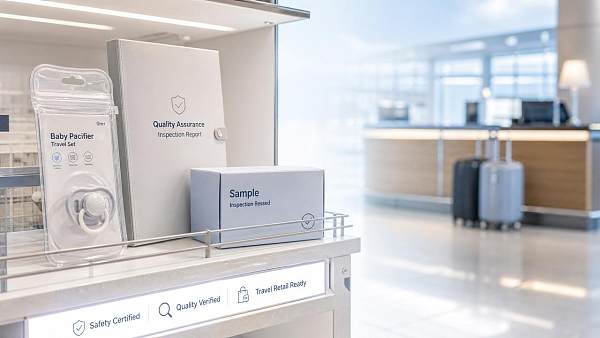
 Infant Feeding & CareJun 01, 2026How to Compare Pacifier Suppliers SafelyPacifier suppliers must be compared by safety, compliance, materials, packaging, and traceability to reduce recall risk and protect trust in baby travel retail.
 STEM & Educational ToysMay 31, 2026Sensory Bath Toys: Safe Materials GuideSensory bath toys made safer: compare materials, certifications, mold-resistant designs, and travel-friendly picks for calmer hotel, resort, and home bath times.
 Pet Grooming & TravelMay 31, 2026Pet International Retail Trends to Watch in 2026Pet international retail trends for 2026 reveal how travel brands can grow revenue with compliant, premium, sustainable pet products for hotels, airports, and tourism channels.
 Pet Furniture & EnrichmentMay 31, 2026Small Animal Cage Manufacturer Cost FactorsSmall animal cage manufacturer cost factors explained: compare materials, compliance, MOQ, logistics, and hidden risks to protect pet travel retail margins.