RCEP Zero Tariffs on Cosmetics for ASEAN Take Effect May 2026
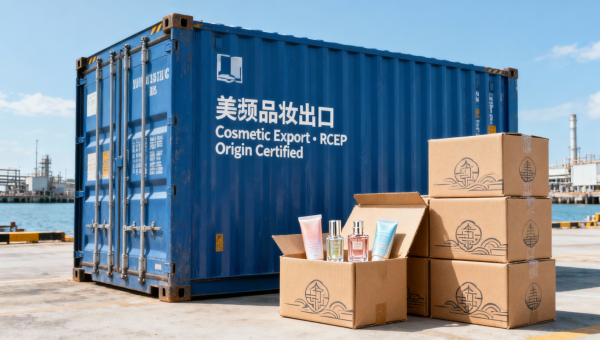
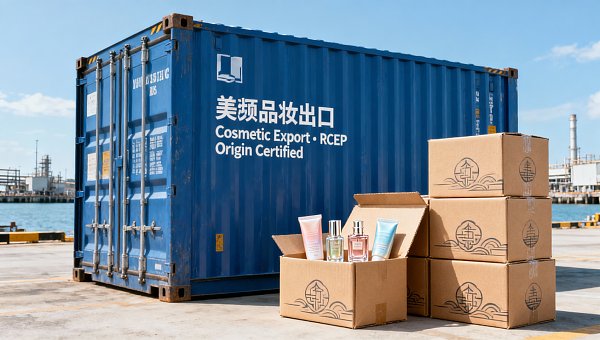
Effective 1 May 2026, the Regional Comprehensive Economic Partnership (RCEP) agreement implements zero import tariffs on cosmetics exported from China to Malaysia, Thailand, Vietnam, and other ASEAN member states—marking a significant shift in trade cost structures for beauty product manufacturers and distributors across Southeast Asia.
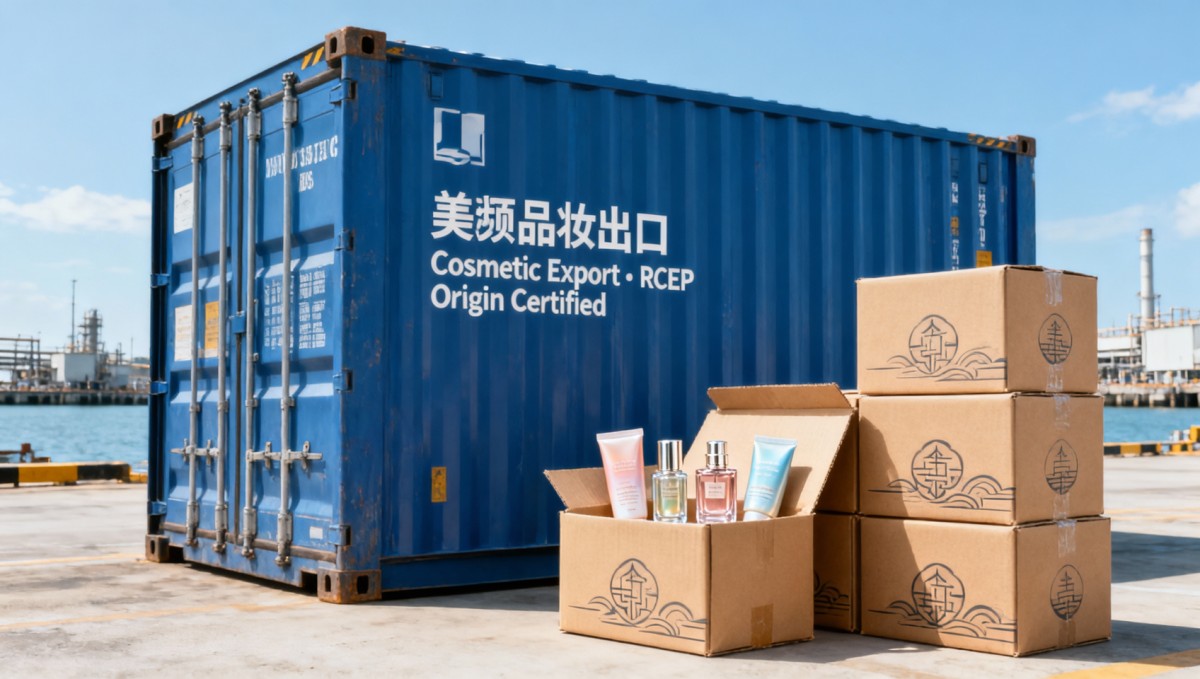
RCEP Tariff Elimination Enters Full Implementation Phase
Starting May 2026, RCEP eliminates import duties on key cosmetic categories—including perfumes, moisturizing lotions, and sunscreen products—previously subject to 5–12% tariffs in Malaysia, Thailand, and Vietnam. OEM enterprises in Guangzhou and Shenzhen have already begun exporting under self-certified origin declarations, enabling immediate tariff concessions. Each standard shipping container benefits from over USD 3,000 in duty savings.
Impact Across Supply Chain Roles
Export-oriented trading enterprises
These firms experience direct margin improvement due to eliminated import duties, enhancing competitiveness against non-RCEP suppliers. The change affects pricing negotiations, contract terms, and landed-cost calculations—especially for time-sensitive seasonal launches in ASEAN markets.
Raw material procurement entities
While not directly taxed under this measure, such entities face upstream pressure to align sourcing strategies with RCEP-compliant supply chains—particularly where imported inputs affect final product origin qualification under RCEP rules of origin.
Contract manufacturing (OEM/ODM) firms
Manufacturers in Guangdong province are now prioritizing RCEP origin compliance workflows, including internal documentation systems and supplier declarations. Faster customs clearance improves order-to-delivery lead times, supporting just-in-time replenishment for regional brand partners.
Logistics and trade facilitation service providers
Freight forwarders and customs brokers report increased demand for RCEP origin advisory services, especially regarding certificate-of-origin preparation, digital verification pathways, and post-clearance audits—shifting service scope beyond traditional documentation handling.
Key Operational Priorities for Enterprises
Verify and document origin eligibility
Companies must confirm whether their cosmetic formulations meet RCEP’s product-specific rules of origin—particularly for blends containing imported active ingredients or packaging components. Self-declaration capability requires robust internal traceability systems.
Update export documentation protocols
OEM facilities in Shenzhen and Guangzhou have adopted standardized origin statements; others must integrate similar templates into commercial invoices and packing lists—and train staff on verification criteria used by ASEAN customs authorities.
Reassess pricing and margin models
The 8–12% effective cost reduction enables revised landed-price positioning in ASEAN retail and e-commerce channels. However, sustained advantage depends on passing savings transparently to importers while preserving profitability—requiring granular cost-allocation analysis.
Strengthen downstream compliance coordination
Since ASEAN importers rely on Chinese exporters’ origin claims for tariff application, joint record-keeping and periodic cross-audits with regional partners are becoming essential risk-mitigation practices.
Strategic Implications Beyond Tariff Savings
Analysis shows that the RCEP cosmetics tariff elimination is more than a short-term cost lever—it accelerates structural integration between Chinese ODM capabilities and ASEAN distribution networks. Observably, faster response cycles and expanded gross margin flexibility allow Chinese manufacturers to assume greater co-development roles—not only as producers but as regional category enablers. What deserves closer attention is how this may reshape technical collaboration norms, including shared formulation databases, joint regulatory intelligence sharing, and aligned stability-testing timelines across borders.
Long-Term Industry Significance
This policy milestone signals a maturing phase in regional cosmetics trade governance—where preferential access increasingly hinges on verifiable operational compliance rather than unilateral tariff reductions. It underscores the growing strategic value of origin management systems as core enterprise infrastructure, comparable in importance to quality management or supply chain visibility platforms.
Source Transparency Statement
This article is generated exclusively from the user-provided information: title, event date (2026-05-01), and event summary. Specific official source links were not provided in the input and should be verified continuously. Readers are advised to monitor updates from ASEAN national customs administrations, China’s Ministry of Commerce, and the RCEP Secretariat for implementation guidelines, origin certification procedures, and sectoral exclusions or transitional arrangements.
Related Intelligence
 Default CategoryJun 01, 2026K-REACH STS Registration Opens for Supply-Critical Sunscreen ChemicalsK-REACH STS registration is live! Secure compliance for Octocrylene, Homosalate & other sunscreen chemicals before 30 June 2026 to keep supplying Korea’s $1.2B+ infant skincare market.
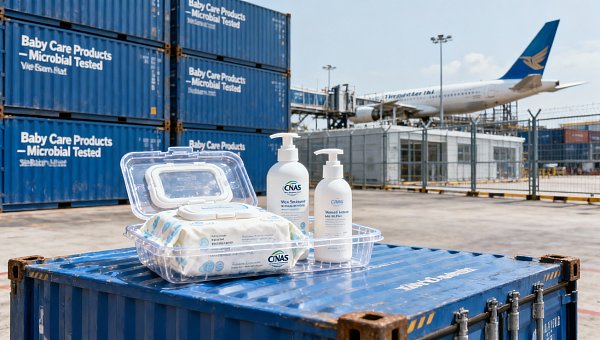
 Default CategoryJun 01, 2026Vietnam Enforces Microbial Testing for Imported Baby Care Products from June 2026Vietnam enforces mandatory microbial testing for imported baby care products from June 2026—key for shampoos, lotions & wet wipes. Act now to avoid delays!
 Default CategoryJun 01, 2026FDA Updates EMC Requirements for Electronic Beauty Devices Effective June 15, 2026FDA's new EMC requirements for electronic beauty devices—RF, microcurrent & LED—take effect June 15, 2026. Learn compliance steps, bilingual labeling rules, and urgent testing tips.
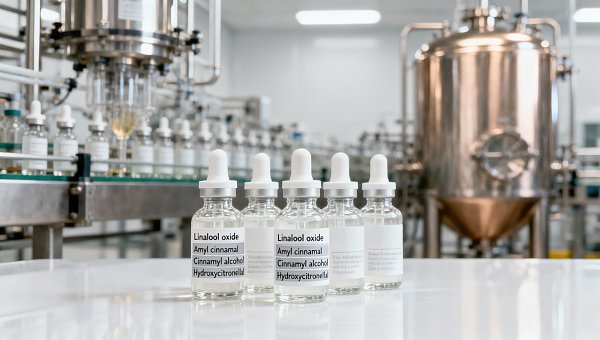
 Default CategoryJun 01, 2026EU REACH Adds 4 Allergenic Fragrance Substances to Labeling RequirementsEU REACH now requires labeling of 4 allergenic fragrance substances—Linalool oxide, Amyl cinnamal, Cinnamyl alcohol & Hydroxycitronellal. Act before 1 June 2026!
 Default CategoryJun 01, 2026RCEP Zero Tariffs on Cosmetics for ASEAN Take Effect May 2026RCEP zero tariffs on cosmetics for ASEAN take effect May 2026—unlock USD 3,000+ duty savings per container. Discover how Chinese OEMs, traders & logistics firms gain competitive edge.
 Corporate & Seasonal GiftsJun 01, 2026Retail Insights for 2026 Gift Demand PlanningRetail insights for 2026 gift demand planning: discover travel retail trends, sourcing models, compliance risks, and smarter strategies to boost margins.
 Beauty DevicesJun 01, 2026Diode Laser Hair Removal Price: What Affects CostDiode laser hair removal price explained: discover key cost factors, hidden fees, certifications, and supplier tips for profitable wellness tourism services.
 Corporate & Seasonal GiftsJun 01, 2026Personalized Keychains Bulk: MOQ and Quality TipsPersonalized keychains bulk sourcing guide for travel retailers: compare MOQ, materials, customization, packaging, and quality checks to reduce risk and boost souvenir sales.
 Corporate & Seasonal GiftsJun 01, 2026Gift Manufacturers: Cost Checks Before OrderingGift manufacturers can hide costs in materials, compliance, packaging, and freight. Learn key checks to protect margins and launch travel gifts on time.
 Infant Feeding & CareJun 01, 2026How to Compare Pacifier Suppliers SafelyPacifier suppliers must be compared by safety, compliance, materials, packaging, and traceability to reduce recall risk and protect trust in baby travel retail.
 STEM & Educational ToysMay 31, 2026Sensory Bath Toys: Safe Materials GuideSensory bath toys made safer: compare materials, certifications, mold-resistant designs, and travel-friendly picks for calmer hotel, resort, and home bath times.
 Pet Grooming & TravelMay 31, 2026Pet International Retail Trends to Watch in 2026Pet international retail trends for 2026 reveal how travel brands can grow revenue with compliant, premium, sustainable pet products for hotels, airports, and tourism channels.
 Pet Furniture & EnrichmentMay 31, 2026Small Animal Cage Manufacturer Cost FactorsSmall animal cage manufacturer cost factors explained: compare materials, compliance, MOQ, logistics, and hidden risks to protect pet travel retail margins.