K-REACH STS Registration Opens for Supply-Critical Sunscreen Chemicals
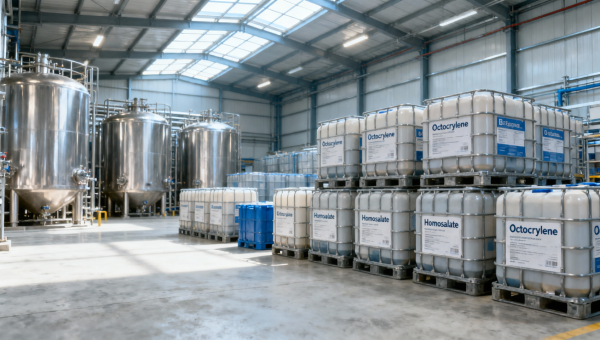
On 1 June 2026, South Korea’s Ministry of Environment launched a special registration pathway under K-REACH for ‘Supply-Tight Substances’ (STS), directly impacting the import and use of key UV-filter ingredients in infant and children’s sunscreen products.
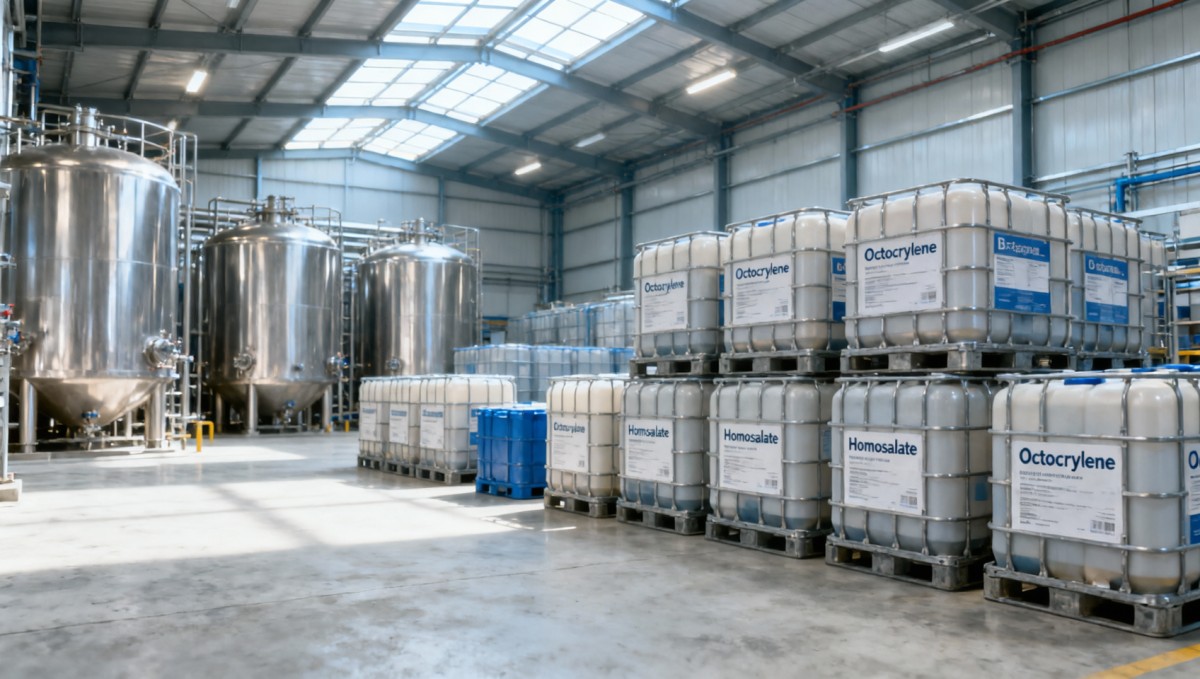
Official Launch of the STS Registration Channel
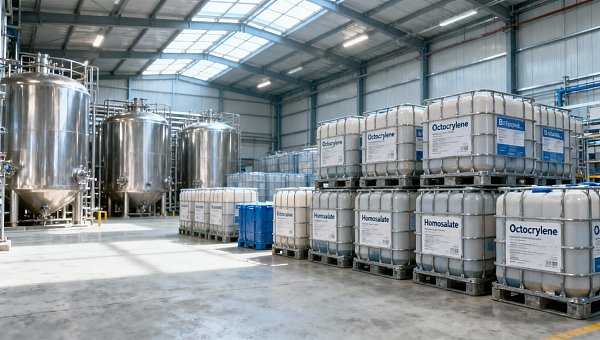
Announced on 27 May 2026, the Korean Ministry of Environment formally opened the STS registration channel on 1 June 2026. The initial STS list comprises 37 substances, including widely used UV filters such as Octocrylene and Homosalate — critical active ingredients in infant and children’s sunscreen formulations. Foreign suppliers failing to complete STS registration by 30 June 2026 will be prohibited from supplying these substances to the Korean cosmetics supply chain starting 1 July 2026. Chinese sunscreen ingredient manufacturers and OEM/ODM facilities producing infant skincare products for Korean clients must appoint a Korean Only Representative (OR) to submit simplified STS registration before the deadline; otherwise, Q3 2026 deliveries to Korean buyers may be disrupted.
Impacts Across the Cosmetics Supply Chain
Direct Exporters
Chinese manufacturers exporting Octocrylene, Homosalate, or other listed STS substances face immediate regulatory gatekeeping. Without valid STS registration via a Korean OR, customs clearance and downstream distribution in Korea will be blocked — turning compliance into a non-negotiable market access requirement.
Raw Material Procurement Teams
Brands and formulators sourcing UV filters for Korean-market infant sunscreens must now verify STS registration status of their upstream suppliers. Unregistered materials cannot legally enter cosmetic manufacturing facilities in Korea, introducing new due diligence steps in procurement audits and supplier qualification protocols.
Contract Manufacturers & OEMs
OEM/ODM facilities serving Korean infant skincare brands are exposed to production delays if raw material deliveries stall. Since STS registration is tied to the substance supplier—not the finished product—their ability to meet Q3 order deadlines depends entirely on upstream compliance timelines and documentation handover.
Regulatory Support Providers
Korean ORs, regulatory consultants, and testing labs supporting foreign suppliers are seeing urgent demand for STS dossier preparation, data gap analysis, and submission coordination. Lead times for OR engagement and dossier validation are tightening, especially for submissions targeting the 30 June deadline.
Action Points for Affected Enterprises
Confirm STS Inclusion and Assign an OR Immediately
Verify whether your exported substances appear on the official STS list (e.g., Octocrylene, Homosalate). If confirmed, engage a qualified Korean OR without delay — appointment, data sharing, and dossier drafting require at least 10–14 business days before submission.
Prepare Simplified Registration Dossiers
The STS pathway allows streamlined documentation but still requires substance identity verification, usage information, tonnage bands, and basic hazard classification. Existing REACH dossiers or OECD test reports may support—but do not replace—STS-specific submissions.
Align Procurement and Production Schedules with Compliance Deadlines
Material shipments scheduled for July onward must carry proof of STS registration. Adjust purchase orders, logistics planning, and inventory buffers to avoid mid-Q3 supply gaps — particularly for time-sensitive infant sunscreen launches ahead of summer peak season.
Maintain Traceability and Documentation for Audits
Keep records of OR contracts, submission confirmations, and communication logs. Korean authorities may request evidence of STS compliance during facility inspections or post-market surveillance, especially for products targeting vulnerable consumer groups like infants.
Industry Perspective: Beyond Compliance, a Shift in Supply Governance
Analysis shows this STS mechanism reflects a broader trend: regulatory frameworks increasingly prioritise supply continuity and risk segmentation over blanket chemical controls. From an industry perspective, it is more appropriate to understand this as a strategic calibration — balancing market stability with regulatory oversight. What deserves closer attention is how rapidly such targeted pathways can reshape global sourcing hierarchies: suppliers who act early gain preferential access, while laggards risk exclusion even if technically compliant with general K-REACH provisions. Moreover, the 30-day window between announcement and deadline signals compressed readiness cycles — suggesting future STS expansions may follow similarly tight timelines.
Strategic Implications for Global Cosmetic Supply Chains
This STS rollout marks more than a procedural update — it signals Korea’s intent to embed regulatory foresight into high-priority consumer segments. For international suppliers, timely STS registration is no longer optional due diligence; it is a prerequisite for participation in a $1.2B+ Korean infant skincare market. Yet the real significance lies in precedent: similar ‘critical supply’ mechanisms could emerge under EU SCIP, ASEAN GHS harmonisation, or Japan’s CSCL revisions. Proactive alignment with Korean ORs and continuous monitoring of STS list updates therefore represent foundational elements of resilient, globally compliant supply chain management.
Source Information and Ongoing Monitoring
This article is generated exclusively from the provided title, event date (2026-06-01), and summary. Specific official source links were not provided in the input and should be verified continuously. Stakeholders are advised to monitor updates from the Korean Ministry of Environment, the National Institute of Environmental Research (NIER), and the K-REACH portal for final STS list versions, OR accreditation status, and guidance documents. Further observation is warranted regarding implementation clarity — particularly around enforcement thresholds, grace period interpretations, and technical documentation expectations for simplified dossiers.
Related Intelligence
 Default CategoryJun 01, 2026K-REACH STS Registration Opens for Supply-Critical Sunscreen ChemicalsK-REACH STS registration is live! Secure compliance for Octocrylene, Homosalate & other sunscreen chemicals before 30 June 2026 to keep supplying Korea’s $1.2B+ infant skincare market.
 Default CategoryJun 01, 2026Vietnam Enforces Microbial Testing for Imported Baby Care Products from June 2026Vietnam enforces mandatory microbial testing for imported baby care products from June 2026—key for shampoos, lotions & wet wipes. Act now to avoid delays!
 Default CategoryJun 01, 2026FDA Updates EMC Requirements for Electronic Beauty Devices Effective June 15, 2026FDA's new EMC requirements for electronic beauty devices—RF, microcurrent & LED—take effect June 15, 2026. Learn compliance steps, bilingual labeling rules, and urgent testing tips.
 Default CategoryJun 01, 2026EU REACH Adds 4 Allergenic Fragrance Substances to Labeling RequirementsEU REACH now requires labeling of 4 allergenic fragrance substances—Linalool oxide, Amyl cinnamal, Cinnamyl alcohol & Hydroxycitronellal. Act before 1 June 2026!
 Default CategoryJun 01, 2026RCEP Zero Tariffs on Cosmetics for ASEAN Take Effect May 2026RCEP zero tariffs on cosmetics for ASEAN take effect May 2026—unlock USD 3,000+ duty savings per container. Discover how Chinese OEMs, traders & logistics firms gain competitive edge.
 Corporate & Seasonal GiftsJun 01, 2026Retail Insights for 2026 Gift Demand PlanningRetail insights for 2026 gift demand planning: discover travel retail trends, sourcing models, compliance risks, and smarter strategies to boost margins.
 Beauty DevicesJun 01, 2026Diode Laser Hair Removal Price: What Affects CostDiode laser hair removal price explained: discover key cost factors, hidden fees, certifications, and supplier tips for profitable wellness tourism services.
 Corporate & Seasonal GiftsJun 01, 2026Personalized Keychains Bulk: MOQ and Quality TipsPersonalized keychains bulk sourcing guide for travel retailers: compare MOQ, materials, customization, packaging, and quality checks to reduce risk and boost souvenir sales.
 Corporate & Seasonal GiftsJun 01, 2026Gift Manufacturers: Cost Checks Before OrderingGift manufacturers can hide costs in materials, compliance, packaging, and freight. Learn key checks to protect margins and launch travel gifts on time.
 Infant Feeding & CareJun 01, 2026How to Compare Pacifier Suppliers SafelyPacifier suppliers must be compared by safety, compliance, materials, packaging, and traceability to reduce recall risk and protect trust in baby travel retail.
 STEM & Educational ToysMay 31, 2026Sensory Bath Toys: Safe Materials GuideSensory bath toys made safer: compare materials, certifications, mold-resistant designs, and travel-friendly picks for calmer hotel, resort, and home bath times.
 Pet Grooming & TravelMay 31, 2026Pet International Retail Trends to Watch in 2026Pet international retail trends for 2026 reveal how travel brands can grow revenue with compliant, premium, sustainable pet products for hotels, airports, and tourism channels.
 Pet Furniture & EnrichmentMay 31, 2026Small Animal Cage Manufacturer Cost FactorsSmall animal cage manufacturer cost factors explained: compare materials, compliance, MOQ, logistics, and hidden risks to protect pet travel retail margins.