SASO Updates Cosmetics Packaging Rules for Plant Extracts
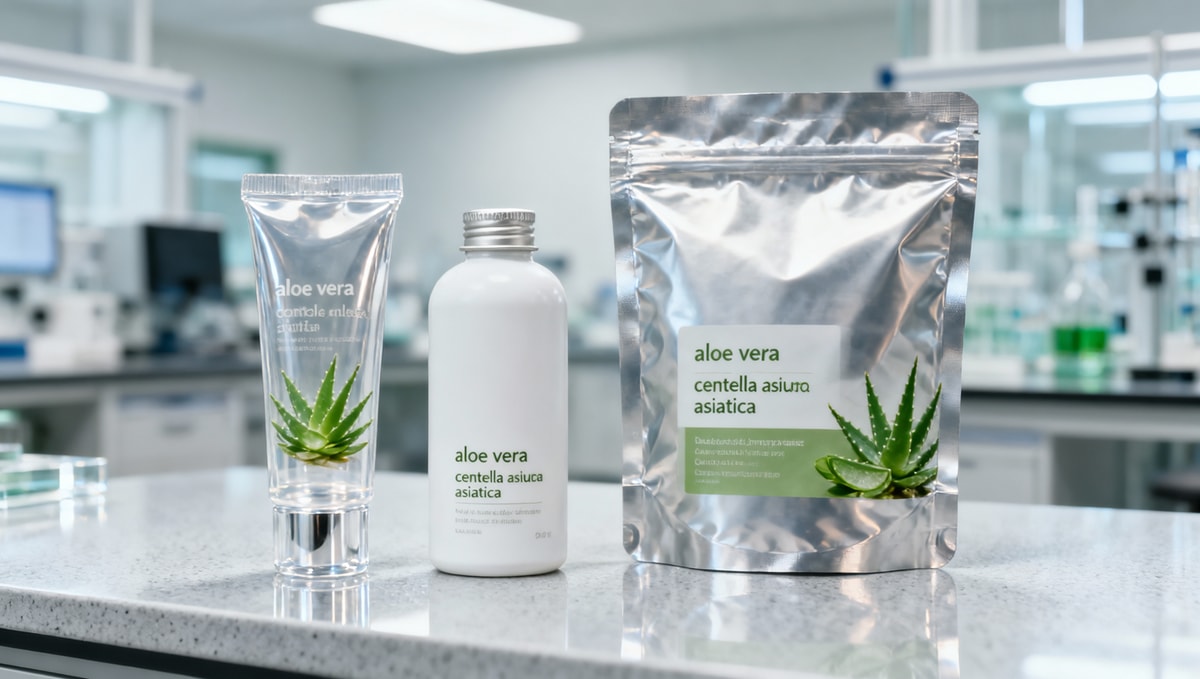
Saudi Arabia’s Standards, Metrology and Quality Organization (SASO) issued revision SASO 2250:2026 on April 25, 2026, introducing new requirements for cosmetic packaging containing plant extracts—such as aloe vera, chamomile, and centella asiatica. The update mandates migration testing (per EN 13130) and accelerated light stability validation (per ISO 4892-2) for such packaging materials. Enforcement begins October 1, 2026. Cosmetic and packaging suppliers—particularly those exporting from China—are directly affected, as compliance verification now requires updated test reports.
Event Overview
On April 25, 2026, SASO published SASO 2250:2026, the revised national standard for cosmetic packaging in Saudi Arabia. The revision explicitly requires that all packaging materials intended for cosmetics containing plant-derived ingredients—including but not limited to aloe vera, chamomile, and centella asiatica—must undergo two specific assessments: (1) food contact material migration testing according to EN 13130, and (2) accelerated photo-stability testing per ISO 4892-2. The standard will become mandatory on October 1, 2026. As confirmed, Chinese cosmetics and packaging suppliers must resubmit validated packaging test reports; Shenzhen-based SGS laboratories have opened expedited testing services to support this transition.
Which Subsectors Are Affected
Direct Exporters of Cosmetics & Packaging to Saudi Arabia
These companies face immediate regulatory alignment pressure: their existing product registrations or market access pathways may be suspended if submitted packaging dossiers lack the newly required test data. Impact manifests in delayed customs clearance, potential rejection at port of entry, and re-submission costs for SASO conformity assessment.
Raw Material & Packaging Component Suppliers
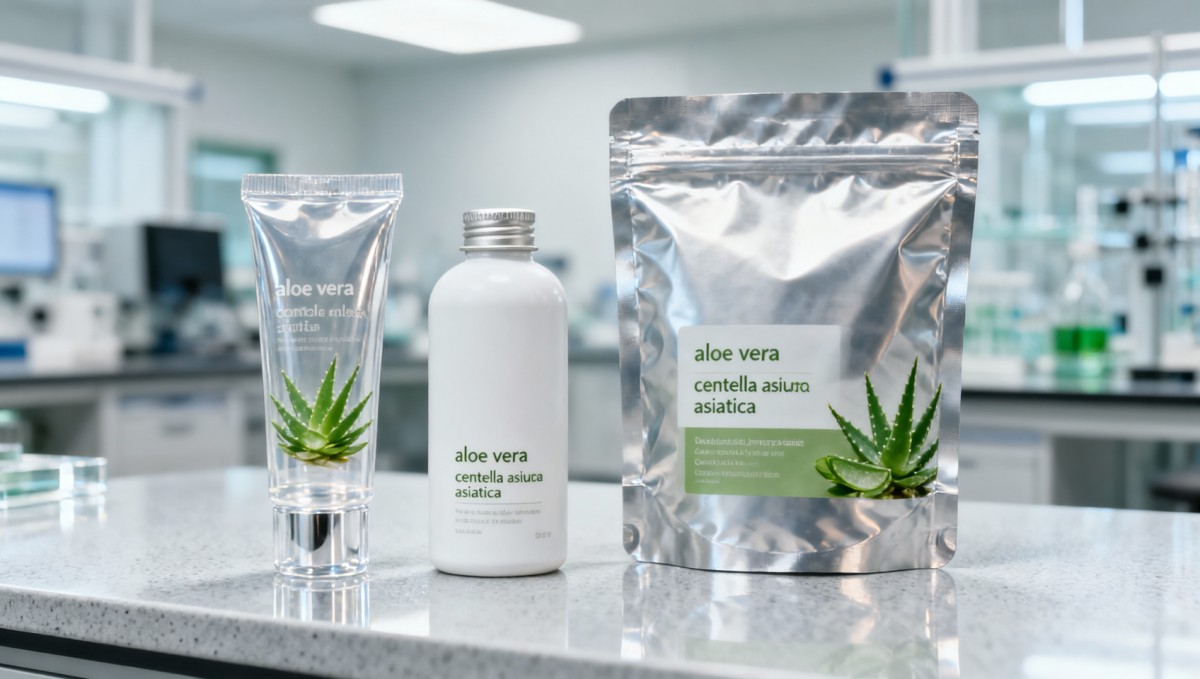
Suppliers providing printed tubes, aluminum bottles, or laminated pouches with botanical-containing formulations must verify compatibility—not only of base substrates but also of inks, adhesives, and barrier layers—under both migration and UV exposure conditions. This affects technical specifications, batch release protocols, and supplier qualification documentation.
Contract Manufacturers & Fillers
Facilities handling final assembly or filling of plant-extract-based cosmetics must ensure upstream packaging components are pre-certified to the new standard. Their quality agreements and incoming inspection checklists now require explicit reference to EN 13130 and ISO 4892-2 conformance—making traceability and certificate validity critical for audit readiness.
Testing & Certification Service Providers
Laboratories accredited for SASO-related testing—including those outside Saudi Arabia—must confirm scope coverage for both EN 13130 (migration under specified simulant conditions) and ISO 4892-2 (Xenon-arc or fluorescent UV exposure with defined irradiance, temperature, and cycle parameters). Demand for aligned reporting formats and turnaround time compression is rising, as evidenced by SGS Shenzhen’s expedited service launch.
What Relevant Companies or Practitioners Should Focus On & How to Respond Now
Verify current test reports against the exact parameters in EN 13130 and ISO 4892-2
Many existing migration or stability reports—especially those generated for EU or ASEAN markets—may omit required simulant types (e.g., 10% ethanol for hydroalcoholic cosmetics), exposure durations, or spectral power distribution details. Cross-check report annexes against SASO 2250:2026 Annex A before submission.
Prioritize high-volume SKUs and plant-extract-rich formulations for retesting
Not all cosmetic packaging falls under the scope—only those used with products containing listed or functionally equivalent botanical actives. Companies should map their export SKUs to extract type, concentration threshold (if defined in future SASO guidance), and packaging contact surface area to triage testing workload efficiently.
Confirm laboratory accreditation status and reporting format acceptance with SASO-accredited bodies
SASO does not universally accept all EN/ISO-compliant reports. Some accredited labs require pre-approval of test plans or issue SASO-specific certificates. Engage early with labs offering SASO-conformant reporting—not just method-compliant data—to avoid retesting due to administrative non-acceptance.
Update internal documentation control systems to flag expiry and renewal triggers for test certificates
Migration and photostability test results are typically valid for 12–24 months depending on storage conditions and formulation changes. With enforcement starting October 1, 2026, certificates issued before April 2025 may expire before market entry—requiring proactive renewal scheduling rather than reactive resubmission.
Editorial Perspective / Industry Observation
Observably, this update reflects SASO’s broader shift toward harmonizing cosmetic packaging safety with food-contact material rigor—particularly where bioactive ingredients increase interaction risks with packaging polymers or additives. Analysis shows it is less a standalone technical revision and more a signal of tightening regulatory convergence across GCC health-product verticals. From an industry perspective, the six-month implementation window suggests SASO intends this as a phased compliance trigger—not an abrupt cutoff—yet the specificity of test standards implies minimal flexibility in interpretation. Current more relevant framing is that this represents an operational inflection point for supply chain due diligence, not merely a certification checkbox.
Conclusion: SASO 2250:2026 does not redefine cosmetic packaging fundamentals, but it materially raises the evidentiary bar for plant-extract formulations entering the Saudi market. Its significance lies not in novelty of testing methods—but in their mandatory linkage to specific botanical categories and enforceable deadlines. For affected stakeholders, the update is best understood as a targeted compliance milestone requiring focused technical validation, not a broad regulatory overhaul.
Information Sources: SASO Official Gazette (April 25, 2026), SASO 2250:2026 Standard Text (Arabic/English bilingual version), SGS Shenzhen Public Service Notice (May 2026). Note: SASO has not yet published official guidance on threshold concentrations for ‘plant extract’ inclusion or transitional arrangements for pending applications—these remain under observation.
Related Intelligence
") Skincare OEMApr 30, 2026FDA Adds New INCI Code for Plant Stem Cell Extracts (PSC-2026)FDA's new PSC-2026 INCI code for plant stem cell extracts demands strict documentation—get compliant fast to avoid U.S. shipment delays.
Skincare OEMApr 30, 2026FDA Adds New INCI Code for Plant Stem Cell Extracts (PSC-2026)FDA's new PSC-2026 INCI code for plant stem cell extracts demands strict documentation—get compliant fast to avoid U.S. shipment delays. Electronic & RC ToysApr 30, 2026RC Toy Orders Shift to South China Cluster, Lead Time Cuts to 6 WeeksRC toy orders are shifting to South China’s Dongguan–Shenzhen–Zhongshan cluster—lead times slashed to 6 weeks. Discover how exporters, suppliers & logistics players can adapt now.
 Cosmetics & PkgApr 30, 2026SASO Updates Cosmetics Packaging Rules for Plant ExtractsSASO updates cosmetics packaging rules for plant extracts—mandatory migration & light stability testing from Oct 1, 2026. Act now to avoid delays!
 Corporate & Seasonal GiftsApr 30, 2026Germany UBA Launches Mandatory Carbon Labelling Pilot for Corporate Gift InksGermany UBA's new Carbon Labelling Pilot mandates verified ink carbon footprints for corporate gifts—key for Chinese exporters & B2B gifting suppliers entering Germany.
 Fitness EquipmentApr 30, 2026THE Alliance Cuts Shanghai–LA Capacity Again: Fitness Equipment Shipment Delays to 8–10 WeeksFitness equipment shipment delays hit 8–10 weeks as THE Alliance cuts Shanghai–LA capacity by 22%. Urgent insights for exporters, forwarders & U.S. importers.
 Camping & WaterApr 30, 2026Vietnam MOIT Suspends Import Licenses for Camping & Water PumpsVietnam MOIT suspends import licenses for camping & water pumps—IP6X and ASTM B117 compliance now mandatory. Act now to avoid delays.
 Smart Pet DevicesApr 30, 2026Japan METI Adds Smart Cat Litter Machines to PSE Fast-Track ListSmart cat litter machines now qualify for Japan's PSE fast-track certification — just 7 days for Chinese-made units with auto-cleaning, APP control & biological sensing.
 STEM & Educational ToysApr 30, 2026CPSC Tightens STEM Toy Battery Compartment StandardsCPSC Tightens STEM Toy Battery Compartment Standards: New ASTM F963-26 Annex D2 test mandates dynamic pressure + vibration compliance by July 1, 2026—act now to avoid shipment rejections.
 Infant Feeding & CareApr 30, 2026RCEP Launches Infant Feeding Fast Track for China NMPA Class II ProductsRCEP Infant Feeding Fast Track now live: China NMPA Class II products skip redundant testing in 5 ASEAN markets — faster certification, 40%+ cost savings.
 Beauty DevicesApr 30, 2026EU EPR Rules Take Effect for Beauty & Baby Monitors on Apr 29, 2026EU EPR rules for beauty & baby monitors take effect Apr 29, 2026 — mandatory registration, fees & compliance for exporters. Act now to avoid customs delays & marketplace deactivation.
 2026/789 on Beauty Device Packaging Takes Effect") Beauty DevicesApr 29, 2026EU Regulation (EU) 2026/789 on Beauty Device Packaging Takes EffectEU Regulation (EU) 2026/789 mandates 30% recycled plastic & LCA declarations for beauty device packaging — act now to avoid Amazon.de/fr rejections!
Beauty DevicesApr 29, 2026EU Regulation (EU) 2026/789 on Beauty Device Packaging Takes EffectEU Regulation (EU) 2026/789 mandates 30% recycled plastic & LCA declarations for beauty device packaging — act now to avoid Amazon.de/fr rejections! Electronic & RC ToysApr 29, 2026ICTA: RC Toy Orders Shift to South China, Lead Time Cuts to 6 WeeksICTA reports RC toy orders shifting to South China—78% now flow to Guangdong’s cluster, cutting lead times to just 6 weeks. Act now to optimize sourcing, compliance & logistics.
 STEM & Educational ToysApr 29, 2026CPSC Nanomaterial Migration Rule for STEM Toys Effective Q3 2026CPSC Nanomaterial Migration Rule for STEM Toys: New ASTM F963–24 testing (≤0.05 mg/cm²/h) mandatory from Oct 1, 2026—avoid detention & recalls.