RCEP Launches Infant Feeding Fast Track for China NMPA Class II Products
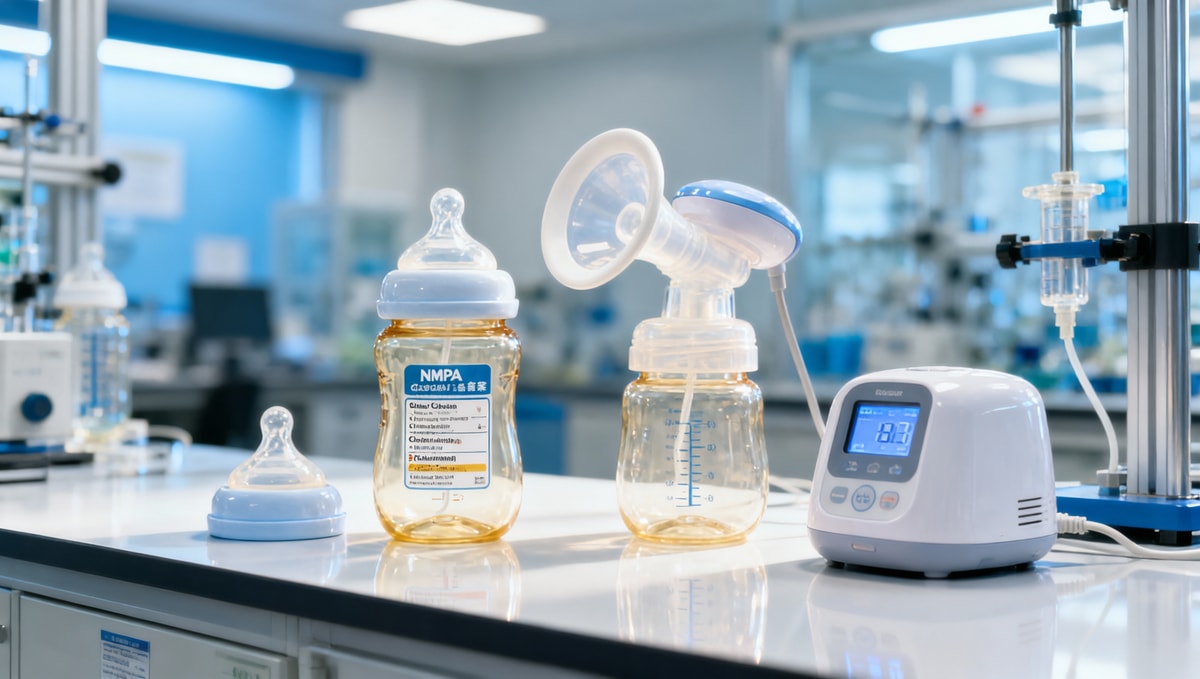
On 29 April 2026, the ASEAN Committee on Standards and Quality (ACCSQ) launched the ‘Infant Feeding Product Fast Track’ mechanism under the RCEP framework — a development with direct implications for manufacturers, exporters, and regulatory service providers of infant feeding and care products targeting Thailand, Vietnam, Malaysia, Indonesia, and the Philippines.
Event Overview
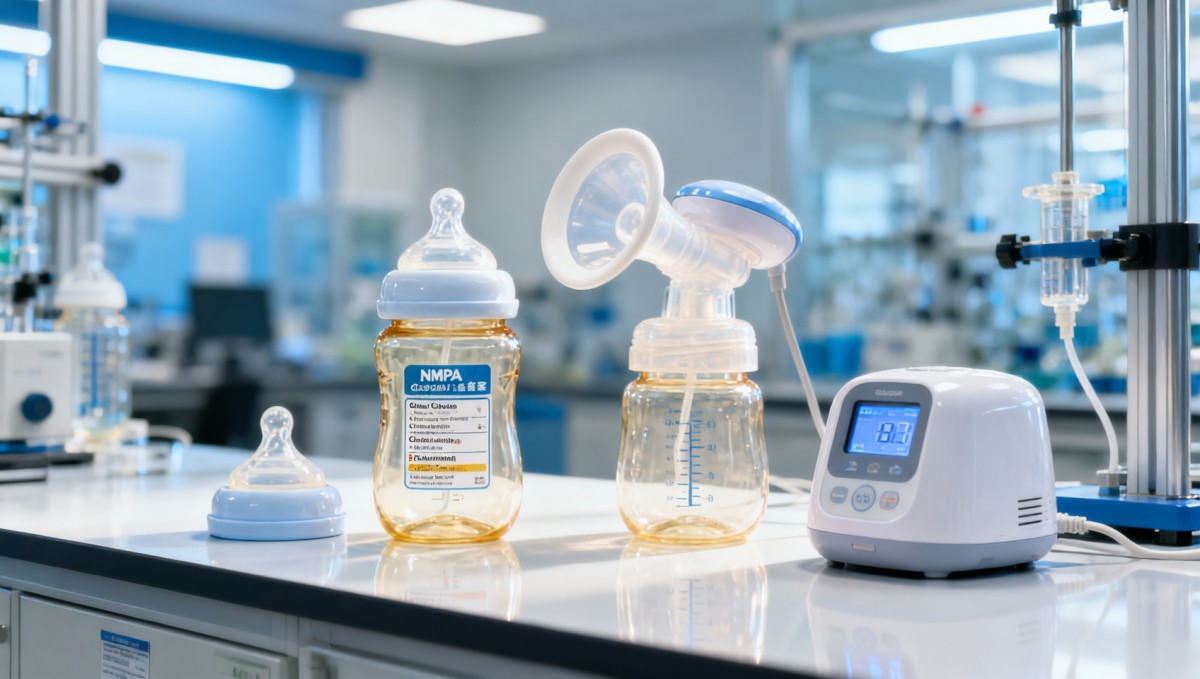
On 29 April 2026, the ASEAN Committee on Standards and Quality (ACCSQ) announced the implementation of the ‘Infant Feeding Product Fast Track’ mechanism within the Regional Comprehensive Economic Partnership (RCEP) framework. Under this mechanism, infant feeding products—including baby bottles, breast pumps, and bottle warmers—that hold a valid Class II medical device filing certificate issued by China’s National Medical Products Administration (NMPA) may be exempted from redundant type testing in five ASEAN member states: Thailand, Vietnam, Malaysia, Indonesia, and the Philippines. Exemption applies upon submission of a local label adaptation report. The certification turnaround time for eligible products is reduced to 8–10 working days, with per-batch certification cost reductions exceeding 40%.
Industries Affected
Direct Exporters & OEM/ODM Manufacturers
Companies exporting infant feeding devices from China to the five ASEAN markets are directly affected. The Fast Track eliminates duplicative physical testing previously required by each national authority — reducing both time-to-market and third-party lab dependency. Impact manifests primarily in shorter regulatory lead times, lower compliance overhead, and improved responsiveness to regional demand shifts.
Regulatory & Certification Service Providers
Firms offering ASEAN market access support (e.g., notified body coordination, labeling adaptation, technical file review) face a functional shift: their role evolves from managing full type testing cycles toward validating label compliance and NMPA filing authenticity. Revenue models may adjust as testing-related fees decline, while demand for documentation harmonization and post-submission liaison increases.
Supply Chain & Logistics Operators
Entities managing cross-border documentation, customs clearance, and inventory planning for infant care products will observe changes in certification documentation requirements. The need for country-specific test reports diminishes, while verification of NMPA Class II filing status and label adaptation records becomes mandatory at entry points. This affects pre-shipment audit checklists and digital compliance tracking systems.
What Enterprises and Practitioners Should Monitor and Do Now
Track official implementation guidelines from ACCSQ and national ASEAN regulators
The Fast Track is newly activated as of 29 April 2026; however, detailed procedural guidance — including acceptable formats for label adaptation reports, verification protocols for NMPA filings, and scope exclusions (e.g., battery-powered vs. non-powered devices) — remains pending publication. Stakeholders should monitor updates from ACCSQ and respective national standards bodies (e.g., TISI, BSN, BPOM).
Confirm NMPA Class II filing scope and validity for targeted products
Not all infant feeding devices qualify automatically. Eligibility depends on whether the specific product model and its intended use fall within the current NMPA Class II medical device classification for infant feeding equipment. Companies must verify that their NMPA filing covers the exact configuration (e.g., material composition, power source, sterilization method) being exported.
Prepare label adaptation documentation aligned with ASEAN language and safety labeling requirements
Label adaptation is a prerequisite for exemption. This includes translating instructions for use, safety warnings, and product markings into the official language(s) of each target country (e.g., Thai, Bahasa Indonesia), while maintaining conformity with ASEAN Technical Regulations on labeling for medical devices. Pre-vetted templates and bilingual technical writers are becoming operationally critical.
Update internal compliance workflows to reflect reduced reliance on local testing labs
Export teams should revise internal timelines and budget allocations: type testing budgets may be reallocated toward label localization, NMPA filing maintenance, and post-market surveillance readiness. Internal SOPs must distinguish between products covered by the Fast Track and those requiring full national conformity assessment (e.g., Class III devices or non-NMPA-filed items).
Editorial Perspective / Industry Observation
Observably, this Fast Track represents an early-stage institutional alignment effort under RCEP — not yet a fully harmonized regulatory regime, but a pragmatic step toward mutual recognition of foundational compliance evidence. Analysis shows the mechanism is narrowly scoped: it applies only to specific product categories, only to NMPA Class II filings (not approvals), and only to five ASEAN members — excluding Singapore, Brunei, and Laos at launch. From an industry perspective, it signals growing ASEAN openness to leveraging trusted third-country regulatory outcomes, though actual adoption hinges on consistent enforcement and transparency across national authorities. Current implementation appears procedural rather than systemic — meaning it streamlines one step (type testing) without altering broader market access conditions such as registration, post-market vigilance, or import licensing.
Conclusion
This initiative marks a measurable, near-term efficiency gain for Chinese exporters of select infant feeding products entering five ASEAN markets — but it does not replace national registration obligations or broaden product eligibility beyond currently defined parameters. It is best understood as a targeted procedural simplification, not a de facto regulatory equivalence agreement. Stakeholders should treat it as an operational opportunity requiring precise documentation control, not as a broad regulatory easing.
Information Sources
Primary source: Announcement by the ASEAN Committee on Standards and Quality (ACCSQ), dated 29 April 2026. Ongoing implementation details — including national rollout schedules, accepted label report formats, and eligibility verification procedures — remain subject to further official publication and require continuous monitoring.
Related Intelligence
") Skincare OEMApr 30, 2026FDA Adds New INCI Code for Plant Stem Cell Extracts (PSC-2026)FDA's new PSC-2026 INCI code for plant stem cell extracts demands strict documentation—get compliant fast to avoid U.S. shipment delays.
Skincare OEMApr 30, 2026FDA Adds New INCI Code for Plant Stem Cell Extracts (PSC-2026)FDA's new PSC-2026 INCI code for plant stem cell extracts demands strict documentation—get compliant fast to avoid U.S. shipment delays. Electronic & RC ToysApr 30, 2026RC Toy Orders Shift to South China Cluster, Lead Time Cuts to 6 WeeksRC toy orders are shifting to South China’s Dongguan–Shenzhen–Zhongshan cluster—lead times slashed to 6 weeks. Discover how exporters, suppliers & logistics players can adapt now.
 Cosmetics & PkgApr 30, 2026SASO Updates Cosmetics Packaging Rules for Plant ExtractsSASO updates cosmetics packaging rules for plant extracts—mandatory migration & light stability testing from Oct 1, 2026. Act now to avoid delays!
 Corporate & Seasonal GiftsApr 30, 2026Germany UBA Launches Mandatory Carbon Labelling Pilot for Corporate Gift InksGermany UBA's new Carbon Labelling Pilot mandates verified ink carbon footprints for corporate gifts—key for Chinese exporters & B2B gifting suppliers entering Germany.
 Fitness EquipmentApr 30, 2026THE Alliance Cuts Shanghai–LA Capacity Again: Fitness Equipment Shipment Delays to 8–10 WeeksFitness equipment shipment delays hit 8–10 weeks as THE Alliance cuts Shanghai–LA capacity by 22%. Urgent insights for exporters, forwarders & U.S. importers.
 Camping & WaterApr 30, 2026Vietnam MOIT Suspends Import Licenses for Camping & Water PumpsVietnam MOIT suspends import licenses for camping & water pumps—IP6X and ASTM B117 compliance now mandatory. Act now to avoid delays.
 Smart Pet DevicesApr 30, 2026Japan METI Adds Smart Cat Litter Machines to PSE Fast-Track ListSmart cat litter machines now qualify for Japan's PSE fast-track certification — just 7 days for Chinese-made units with auto-cleaning, APP control & biological sensing.
 STEM & Educational ToysApr 30, 2026CPSC Tightens STEM Toy Battery Compartment StandardsCPSC Tightens STEM Toy Battery Compartment Standards: New ASTM F963-26 Annex D2 test mandates dynamic pressure + vibration compliance by July 1, 2026—act now to avoid shipment rejections.
 Infant Feeding & CareApr 30, 2026RCEP Launches Infant Feeding Fast Track for China NMPA Class II ProductsRCEP Infant Feeding Fast Track now live: China NMPA Class II products skip redundant testing in 5 ASEAN markets — faster certification, 40%+ cost savings.
 Beauty DevicesApr 30, 2026EU EPR Rules Take Effect for Beauty & Baby Monitors on Apr 29, 2026EU EPR rules for beauty & baby monitors take effect Apr 29, 2026 — mandatory registration, fees & compliance for exporters. Act now to avoid customs delays & marketplace deactivation.
 2026/789 on Beauty Device Packaging Takes Effect") Beauty DevicesApr 29, 2026EU Regulation (EU) 2026/789 on Beauty Device Packaging Takes EffectEU Regulation (EU) 2026/789 mandates 30% recycled plastic & LCA declarations for beauty device packaging — act now to avoid Amazon.de/fr rejections!
Beauty DevicesApr 29, 2026EU Regulation (EU) 2026/789 on Beauty Device Packaging Takes EffectEU Regulation (EU) 2026/789 mandates 30% recycled plastic & LCA declarations for beauty device packaging — act now to avoid Amazon.de/fr rejections! Electronic & RC ToysApr 29, 2026ICTA: RC Toy Orders Shift to South China, Lead Time Cuts to 6 WeeksICTA reports RC toy orders shifting to South China—78% now flow to Guangdong’s cluster, cutting lead times to just 6 weeks. Act now to optimize sourcing, compliance & logistics.
 STEM & Educational ToysApr 29, 2026CPSC Nanomaterial Migration Rule for STEM Toys Effective Q3 2026CPSC Nanomaterial Migration Rule for STEM Toys: New ASTM F963–24 testing (≤0.05 mg/cm²/h) mandatory from Oct 1, 2026—avoid detention & recalls.