Product regulations that often block new cosmetic packaging

New cosmetic packaging often stalls not because of design, but because product regulations and product safety standards vary across international retail markets. For buyers, compliance teams, and brand supply decision-makers, understanding international supply risks through retail analysis, retail insights, and supply chain research is essential to avoid delays, failed approvals, and costly redesigns.
For travel retail, these risks are amplified by cross-border passenger flows, airport and duty-free channel rules, transportation constraints, and region-specific labeling demands. A cosmetic pack that works in one domestic market may face hold-ups when it moves into inflight sales, cruise retail, hotel amenities programs, or international tourism gift channels.
This matters to sourcing teams, technical evaluators, distributors, project managers, safety officers, and finance approvers alike. Packaging decisions affect not only shelf appeal, but also route-to-market speed, inventory risk, and total landed cost. In travel-linked retail environments, a 2–6 week approval delay can easily disrupt seasonal launches and destination-based promotions.
For Global Consumer Sourcing, the key issue is not isolated packaging design. It is the interaction between regulation, packaging material selection, transport suitability, retail channel compliance, and buyer expectations across multiple geographies. The sections below outline the product regulations that most often block new cosmetic packaging and how sourcing teams can reduce those barriers earlier in the development cycle.
Why cosmetic packaging faces extra scrutiny in travel retail channels

Travel retail is not a standard store environment. Cosmetics sold through airports, border shops, cruise terminals, resort boutiques, and hotel distribution programs move through a supply chain that combines retail rules with transport and destination-specific requirements. That means a packaging concept may need to satisfy at least 3 layers of review: product safety, retail display suitability, and transit compliance.
The first common blocker is pack format. Liquid, cream, gel, and aerosol products often fall under stricter handling expectations when they are sold in channels connected to aviation or international passenger baggage. Even when the cosmetic formula itself is marketable, the primary container, closure integrity, leakage resistance, and fill volume can trigger rework. Small travel-size packaging under 100 ml may be commercially attractive, but it still needs correct material compatibility and stable sealing performance.
The second blocker is multilingual and destination-specific information. Travel retail products are frequently purchased by tourists who take items across borders. In practice, buyers may request 2-language or 3-language labeling, symbol harmonization, ingredient visibility, batch coding, and readable usage warnings. A package that lacks space for these elements often fails commercial review before it reaches compliance sign-off.
The third issue is shelf and transit durability. Duty-free and tourism-focused retail spaces often have high handling frequency, compact display units, and premium presentation standards. Packaging has to survive warehousing, customs inspection, repacking, and consumer transport in luggage. A visually strong design that cracks, scuffs, or leaks after 1–2 distribution cycles can be rejected by channel buyers.
Channel-specific packaging pressure points
Different tourism retail formats create different approval risks. Airport duty-free buyers may prioritize tamper evidence and language clarity. Cruise operators may focus on humidity resistance and compact merchandising. Hotel amenity programs often require repeatability, cost control, and environmental claims that can withstand procurement review. These are not minor details; they influence packaging structure from the first sampling round.
- Airport and border retail: strong focus on labeling readability, leak prevention, and premium display impact.
- Cruise and onboard retail: resistance to vibration, moisture exposure, and storage density constraints.
- Hotel and resort programs: emphasis on unit cost, refill logic, sustainability claims, and housekeeping usability.
- Tourism gift shops: preference for portable formats, low breakage risk, and fast replenishment cycles.
For sourcing and commercial teams, the lesson is clear: product regulations do not operate in isolation. They interact with tourism retail conditions, traveler behavior, and international movement. That is why cosmetic packaging that looks market-ready on paper still gets blocked in real procurement and launch workflows.
The product regulations that most often delay new cosmetic packaging
Most packaging delays come from a short list of recurring regulatory and technical issues. In travel-facing distribution, these issues become more visible because buyers and distributors want fewer border, storage, and complaint risks. Early review should therefore focus on the packaging system, not only on artwork or aesthetics.
A frequent blocker is incomplete labeling. Depending on the destination market, buyers may require ingredient declaration, net content, country of origin, period-after-opening symbols, manufacturer or responsible party details, batch or lot code, and specific caution language. If the outer pack is too small or the design reduces legibility below practical retail standards, the project can be sent back for full revision.
Another blocker is packaging-material compatibility. Cosmetic formulations with alcohol, active botanicals, essential oils, exfoliating acids, or UV-sensitive ingredients can react with plastic resins, liners, pumps, and printed layers. This can lead to discoloration, odor shift, stress cracking, or migration concerns after 4–12 weeks of stability observation. For travel retail, where goods may face heat variation during transit, compatibility testing is even more important.
A third blocker is unsupported sustainability claims. Terms such as recyclable, refillable, reduced plastic, or eco-conscious are now common in tourism retail because hotels, resorts, and global operators are under pressure to show environmental responsibility. However, if the packaging structure is multi-material, hard to separate, or unsupported by disposal realities in target markets, the claim can be challenged by buyers or legal reviewers.
Core blockers at packaging approval stage
The table below summarizes the most common regulation-linked issues that interrupt cosmetic packaging projects intended for travel retail and tourism-led distribution channels.
The main conclusion is that most “design delays” are actually information, material, or claim-verification delays. Teams that map these 4 risk categories early typically reduce redesign rounds and improve buyer confidence during line review.
A practical 5-step review before packaging sign-off
- Confirm target sales channels: airport, cruise, hotel, tourism gift, or mixed distribution.
- List destination markets and required language, symbols, and responsible-party data.
- Run compatibility checks between formula and primary packaging for at least one accelerated cycle.
- Test closure integrity under transit-like conditions, including drop and leak checks.
- Validate sustainability and recyclability claims against actual pack structure and market disposal reality.
For project managers, this checklist can save one full development loop. For finance approvers, it reduces hidden costs such as obsolete printed inventory, emergency relabeling, and urgent air freight caused by late-stage corrections.
How buyers and technical teams can assess risk before launch
A launch-ready packaging program needs a shared assessment method across sourcing, compliance, quality, and commercial teams. In many travel retail projects, delays happen because each department reviews a different risk area at a different time. A unified scorecard reduces that fragmentation and helps teams compare suppliers, structures, and launch plans more consistently.
The most effective review model uses 4 dimensions: regulatory fit, transit robustness, retail usability, and cost-to-correct. Regulatory fit checks whether the packaging can support destination-specific claims and mandatory information. Transit robustness looks at leakage, breakage, pressure exposure, and handling resistance. Retail usability examines display impact, barcode placement, and consumer portability. Cost-to-correct estimates the financial effect of post-approval changes.
For tourism retail, timing is especially important. A standard carton and bottle change may require 3–5 sample rounds if language layout, seal testing, and channel pack-out are handled sequentially. If these steps are parallelized from the start, teams can often compress pre-launch packaging review into 4–8 weeks instead of 8–12 weeks.
Distributors and agents should also evaluate whether local repacking will be needed. Repacking may solve a labeling gap, but it can raise traceability risks, slow customs processing, and create inconsistency between promotional images and final shelf appearance. In premium travel channels, that mismatch can directly affect conversion and returns.
Suggested buyer scorecard for travel-related cosmetic packaging
The following comparison table is useful for technical evaluators, sourcing managers, and commercial decision-makers assessing packaging options for cross-border tourism channels.
A practical takeaway is to reject “attractive but fragile” packaging early. In travel retail, a package that lowers complaint probability by even 1–2 percentage points can outperform a more decorative format that creates recurring rework and distributor friction.
Who should be involved in early approval
- Compliance and quality teams to review mandatory information, material suitability, and traceability controls.
- Commercial buyers to confirm channel expectations, merchandising format, and destination mix.
- Logistics and project teams to assess carton density, breakage exposure, and launch timeline risk.
- Finance approvers to model the cost impact of delay, obsolete stock, and emergency packaging change.
When these functions align before tooling or bulk print approval, packaging programs are less likely to be blocked by last-minute destination changes or travel channel restrictions.
Implementation strategies for faster approval and fewer redesigns
The best response to packaging regulation complexity is a staged implementation process. Instead of approving design first and checking compliance later, B2B teams should build a packaging gate system linked to destination, channel, and product type. This is especially useful for brands selling through mixed travel environments such as airports, resorts, online pre-order duty-free, and tourist retail chains.
Stage 1 should define the route-to-market. Teams need to identify whether the product will sell in 1 region or across 3–5 retail territories, whether the format is carry-on friendly, and whether there are refill or amenity variants. Stage 2 should lock the information architecture, including mandatory copy blocks, barcode zones, and lot traceability placement. Stage 3 should verify material and closure performance under likely distribution conditions.
Stage 4 is buyer-ready mock-up review. This is where many teams save time by presenting channel-specific renderings and sample packs before mass printing. If a hotel operator wants larger instructions for staff handling, or a cruise buyer needs more compact shelf dimensions, that input should be captured before final packaging procurement. Stage 5 is the commercial risk review, where teams confirm the cost of any remaining compromise versus the revenue risk of delay.
For Global Consumer Sourcing users, this process is valuable because it converts fragmented market intelligence into a sourcing action plan. It helps OEM/ODM partners, private-label buyers, and distributors make packaging choices based on market readiness rather than assumptions about what “should work” globally.
Typical implementation timeline for a compliant travel-retail packaging project
The timeline below reflects a common planning framework rather than a fixed rule. It is useful for project managers balancing tourism seasonality, procurement windows, and multi-market approvals.
The key insight is that packaging success depends on front-loading risk checks. Teams that wait until final artwork or bulk production to ask regulatory questions often absorb the highest correction costs.
Common mistakes to avoid
- Assuming domestic retail packaging can be transferred directly into tourism channels without relabeling.
- Using decorative pack shapes that reduce mandatory information space.
- Approving sustainability messaging before pack-separation and disposal logic are reviewed.
- Relying on late-stage stickers as a permanent solution for multi-market compliance.
For companies expanding internationally, disciplined packaging governance shortens approval cycles, protects travel retail relationships, and creates more predictable launch economics. To reduce delays, evaluate packaging through the lens of destination rules, transport realities, and buyer expectations from day one. If your team needs market-specific sourcing intelligence, compliance guidance, or a clearer route to launch-ready packaging decisions, contact Global Consumer Sourcing to get a tailored solution and explore more supply chain insights.
Related Intelligence
") Skincare OEMApr 30, 2026FDA Adds New INCI Code for Plant Stem Cell Extracts (PSC-2026)FDA's new PSC-2026 INCI code for plant stem cell extracts demands strict documentation—get compliant fast to avoid U.S. shipment delays.
Skincare OEMApr 30, 2026FDA Adds New INCI Code for Plant Stem Cell Extracts (PSC-2026)FDA's new PSC-2026 INCI code for plant stem cell extracts demands strict documentation—get compliant fast to avoid U.S. shipment delays. Electronic & RC ToysApr 30, 2026RC Toy Orders Shift to South China Cluster, Lead Time Cuts to 6 WeeksRC toy orders are shifting to South China’s Dongguan–Shenzhen–Zhongshan cluster—lead times slashed to 6 weeks. Discover how exporters, suppliers & logistics players can adapt now.
 Cosmetics & PkgApr 30, 2026SASO Updates Cosmetics Packaging Rules for Plant ExtractsSASO updates cosmetics packaging rules for plant extracts—mandatory migration & light stability testing from Oct 1, 2026. Act now to avoid delays!
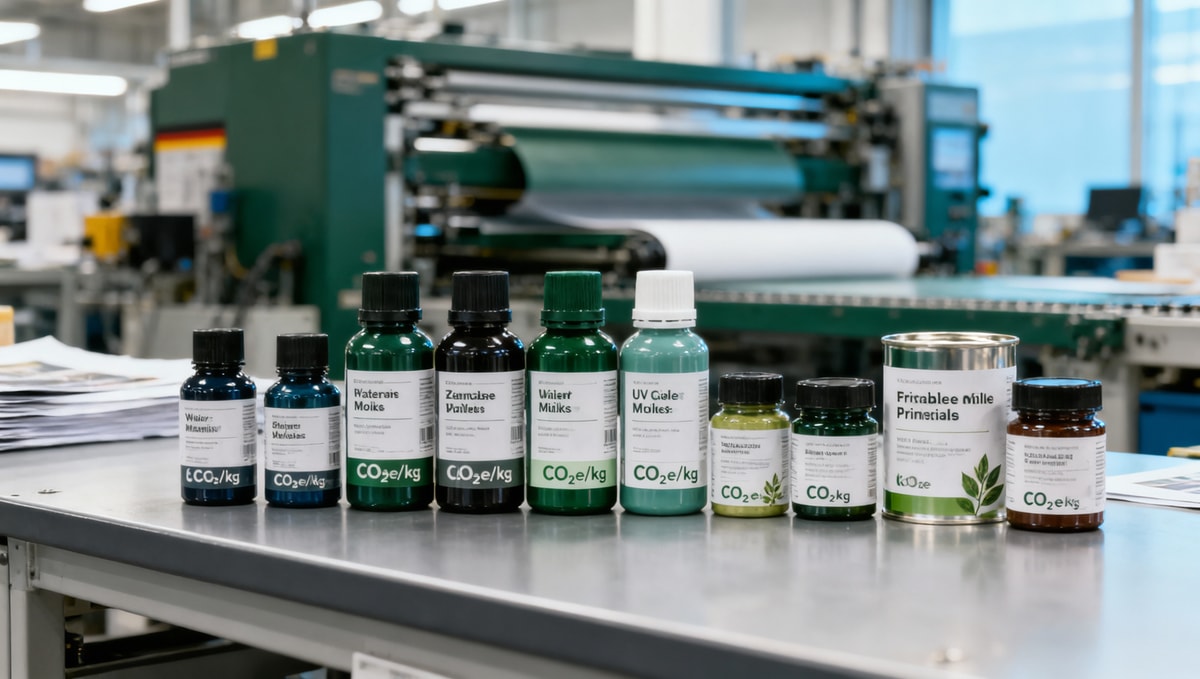
 Corporate & Seasonal GiftsApr 30, 2026Germany UBA Launches Mandatory Carbon Labelling Pilot for Corporate Gift InksGermany UBA's new Carbon Labelling Pilot mandates verified ink carbon footprints for corporate gifts—key for Chinese exporters & B2B gifting suppliers entering Germany.
 Fitness EquipmentApr 30, 2026THE Alliance Cuts Shanghai–LA Capacity Again: Fitness Equipment Shipment Delays to 8–10 WeeksFitness equipment shipment delays hit 8–10 weeks as THE Alliance cuts Shanghai–LA capacity by 22%. Urgent insights for exporters, forwarders & U.S. importers.
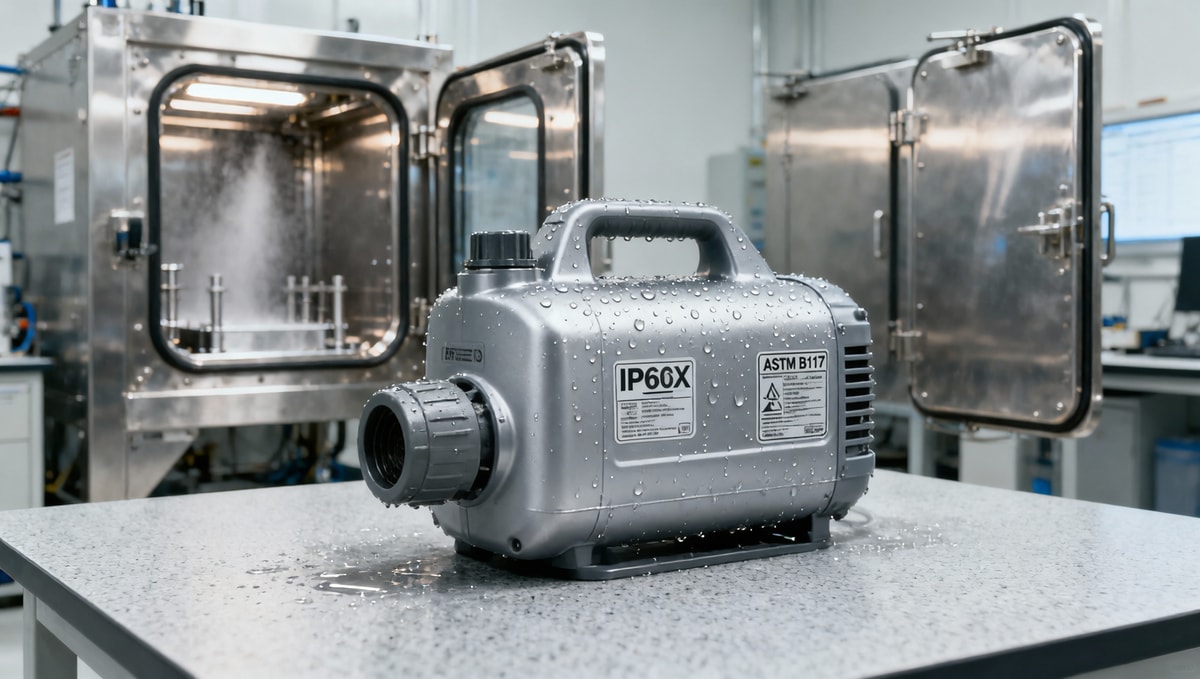
 Camping & WaterApr 30, 2026Vietnam MOIT Suspends Import Licenses for Camping & Water PumpsVietnam MOIT suspends import licenses for camping & water pumps—IP6X and ASTM B117 compliance now mandatory. Act now to avoid delays.
 Smart Pet DevicesApr 30, 2026Japan METI Adds Smart Cat Litter Machines to PSE Fast-Track ListSmart cat litter machines now qualify for Japan's PSE fast-track certification — just 7 days for Chinese-made units with auto-cleaning, APP control & biological sensing.
 STEM & Educational ToysApr 30, 2026CPSC Tightens STEM Toy Battery Compartment StandardsCPSC Tightens STEM Toy Battery Compartment Standards: New ASTM F963-26 Annex D2 test mandates dynamic pressure + vibration compliance by July 1, 2026—act now to avoid shipment rejections.
 Infant Feeding & CareApr 30, 2026RCEP Launches Infant Feeding Fast Track for China NMPA Class II ProductsRCEP Infant Feeding Fast Track now live: China NMPA Class II products skip redundant testing in 5 ASEAN markets — faster certification, 40%+ cost savings.
 Beauty DevicesApr 30, 2026EU EPR Rules Take Effect for Beauty & Baby Monitors on Apr 29, 2026EU EPR rules for beauty & baby monitors take effect Apr 29, 2026 — mandatory registration, fees & compliance for exporters. Act now to avoid customs delays & marketplace deactivation.
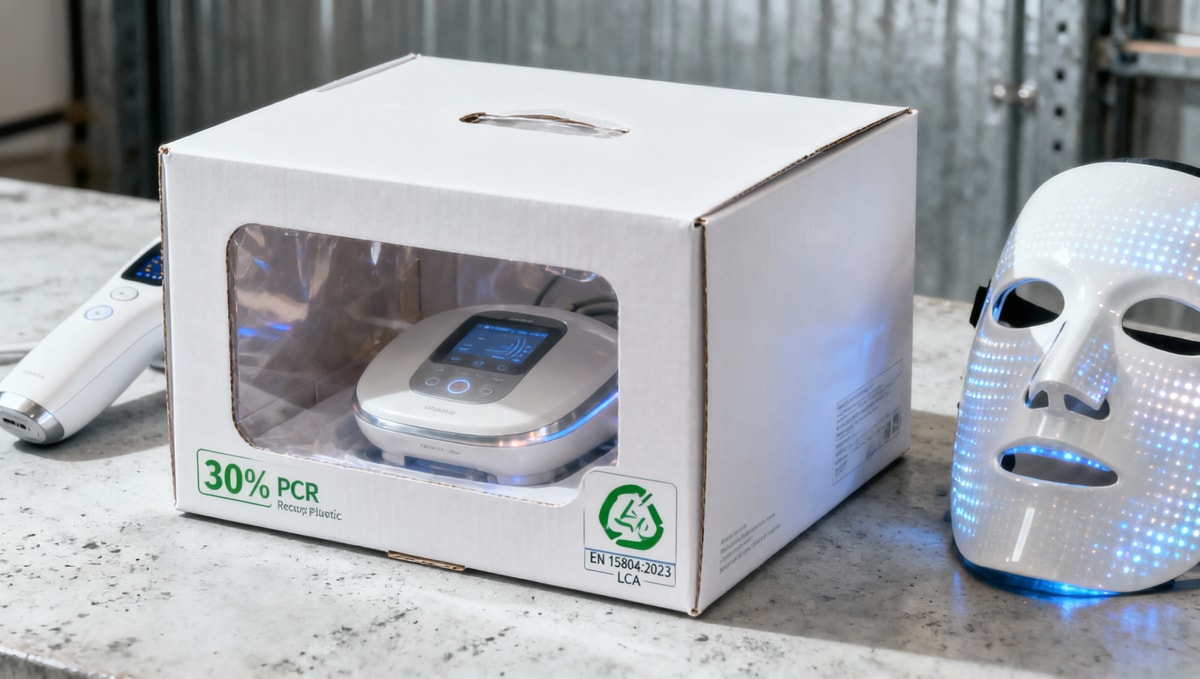
 2026/789 on Beauty Device Packaging Takes Effect") Beauty DevicesApr 29, 2026EU Regulation (EU) 2026/789 on Beauty Device Packaging Takes EffectEU Regulation (EU) 2026/789 mandates 30% recycled plastic & LCA declarations for beauty device packaging — act now to avoid Amazon.de/fr rejections!
Beauty DevicesApr 29, 2026EU Regulation (EU) 2026/789 on Beauty Device Packaging Takes EffectEU Regulation (EU) 2026/789 mandates 30% recycled plastic & LCA declarations for beauty device packaging — act now to avoid Amazon.de/fr rejections! Electronic & RC ToysApr 29, 2026ICTA: RC Toy Orders Shift to South China, Lead Time Cuts to 6 WeeksICTA reports RC toy orders shifting to South China—78% now flow to Guangdong’s cluster, cutting lead times to just 6 weeks. Act now to optimize sourcing, compliance & logistics.
 STEM & Educational ToysApr 29, 2026CPSC Nanomaterial Migration Rule for STEM Toys Effective Q3 2026CPSC Nanomaterial Migration Rule for STEM Toys: New ASTM F963–24 testing (≤0.05 mg/cm²/h) mandatory from Oct 1, 2026—avoid detention & recalls.