Toy Compliance Failures That Cost More
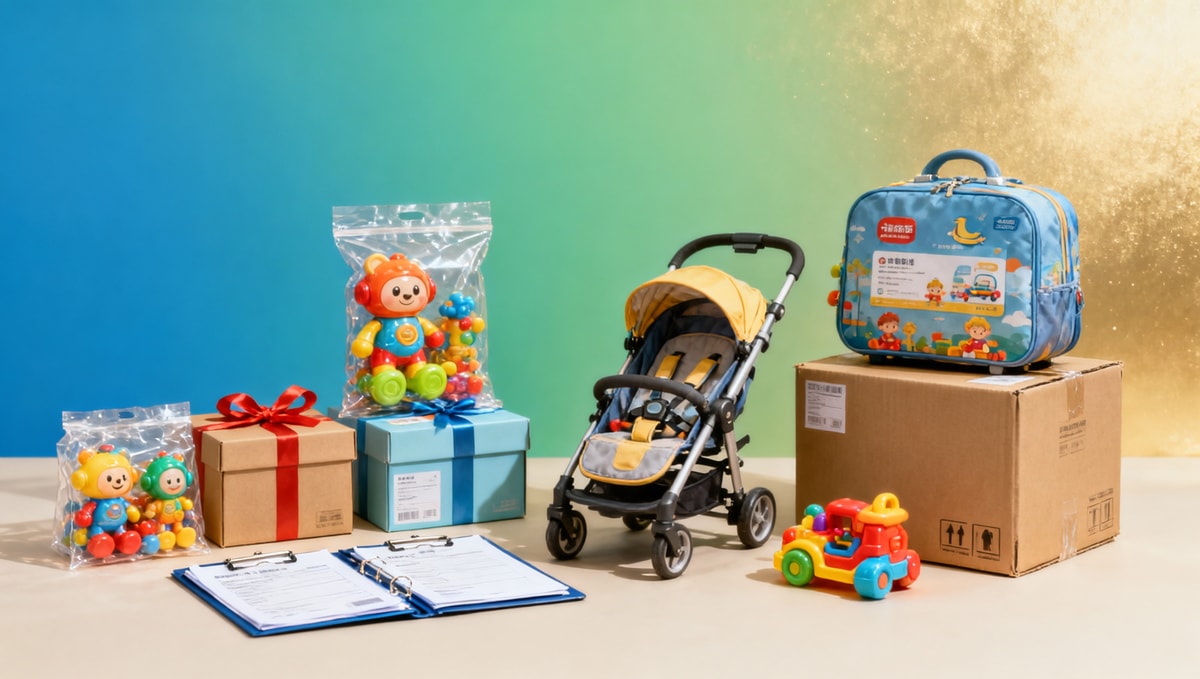
Toy compliance failures rarely stop at a rejected shipment—they can trigger recalls, legal exposure, and lost retail trust. For buyers, stroller OEM partners, playpen manufacturers, and sourcing teams evaluating CPC toys and broader toy compliance risks, understanding where costs truly escalate is essential. This guide explains how compliance breakdowns affect margin, timelines, and supplier decisions across global consumer goods supply chains.
For travel service operators, destination retailers, airport concession teams, resort gift shops, cruise procurement managers, and tourism project leaders, toy compliance is not a side issue. Souvenir toys, kids’ travel play kits, stroller accessories sold in family resorts, and promotional products distributed during tours can all fall under product safety and labeling requirements. A low-cost sourcing decision can quickly become a high-cost operational disruption when goods are stopped at customs, removed from shelves, or questioned by distributors.
In tourism, timing matters as much as price. Missing a 6-week summer sales window, a holiday travel peak, or a school-break family campaign often costs more than the original shipment itself. For B2B buyers working across cross-border retail, travel merchandising, and seasonal procurement, the real question is not whether compliance costs money. It is where non-compliance multiplies cost across freight, inventory, brand trust, contract performance, and future sourcing leverage.
Why Toy Compliance Failures Hit Travel Service Businesses Harder Than Expected
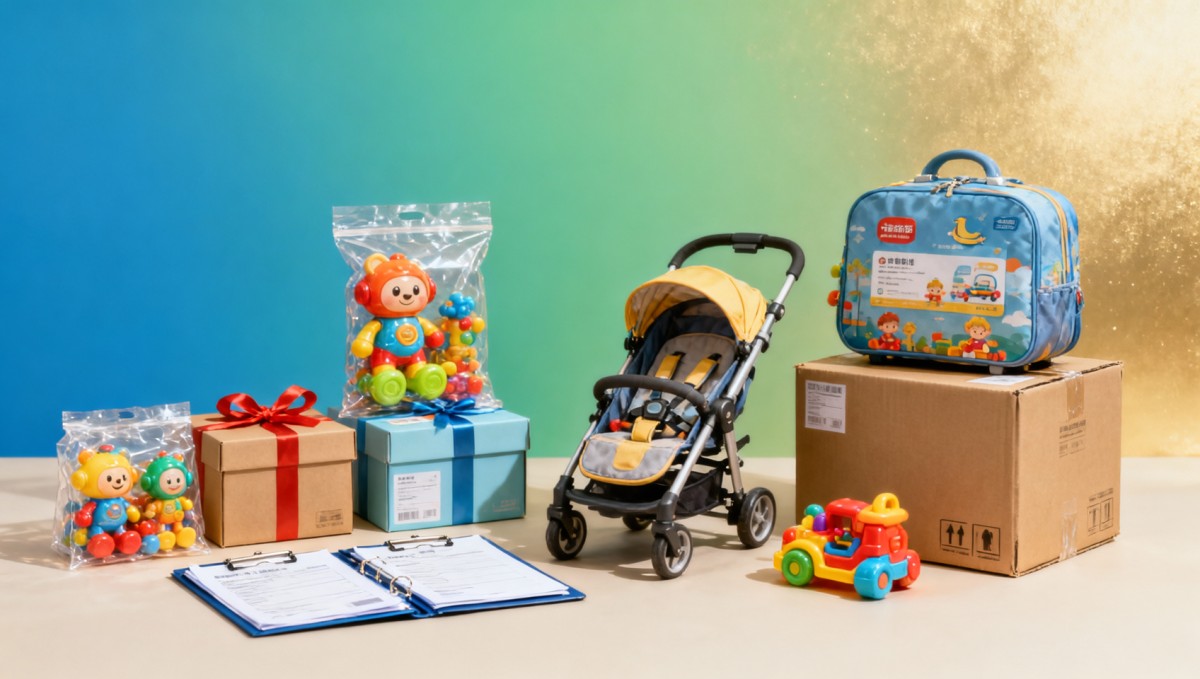
Travel service businesses often sell toys in high-turnover, high-visibility environments: hotel boutiques, airport stores, cruise retail decks, theme attraction shops, and family tour welcome packs. Unlike standard retail channels, these settings depend on limited selling periods, compact storage, and rapid replenishment cycles. If one shipment fails compliance, operators may lose 2 to 8 weeks of sales with little chance to recover that demand later.
The direct loss usually begins with detention, testing, rework, return freight, or disposal. However, the second layer of cost is often larger. A tour operator that planned 5,000 units of children’s souvenir toys for a peak holiday package may also have printed catalogs, booked shelf space, trained staff, and committed promotional timing. When the product cannot be sold, those linked expenses still remain on the balance sheet.
For procurement and finance approvers, this changes the sourcing calculation. A product that appears 12% cheaper at order stage can become 25% to 40% more expensive after secondary testing, expedited replacement, and markdowns on substitute goods. Travel service companies also face reputational exposure because customer complaints spread quickly through reviews, social media, and partner channels.
Compliance failures also disrupt distributor confidence. If a destination retailer or resort chain receives one problematic toy shipment, future onboarding of similar SKUs becomes slower. Technical assessors may require additional document reviews, batch testing, and supplier audits, extending normal approval cycles from 7–10 days to 3–4 weeks.
Where the cost multiplies in tourism-linked retail
- Peak-season loss: missing one school holiday or festival period can erase 20% to 35% of projected quarterly toy sales.
- Urgent replenishment: air freight replacements may cost 3 to 6 times more than original sea freight.
- Retail disruption: shelf resets, relabeling, and POS material replacement add hidden labor hours.
- Partner friction: hotel groups, travel agencies, and concession operators may tighten future vendor approval rules.
For companies using travel retail as a brand-building channel, compliance is tied directly to customer trust. Parents buying toys during a trip expect convenience and safety at the same time. A failure in labeling, age grading, small-parts warnings, or documentation can damage that trust far beyond a single transaction.
The True Cost Structure Behind a Failed Toy Shipment
Many teams still calculate compliance risk too narrowly. They focus on lab test cost or certification paperwork, but overlook the broader financial chain. In travel service supply programs, toy compliance failures usually create five cost layers: logistics interruption, inventory loss, channel penalties, labor reallocation, and demand erosion. Each layer may seem manageable alone, but together they can turn a modest sourcing issue into a major profit drag.
A practical way to assess exposure is to compare pre-shipment savings with post-failure recovery costs. If a supplier saved 8% on unit price by using incomplete documentation or lower-grade material controls, that advantage can disappear after one hold order. Even a small batch of 2,000 to 3,000 units can generate retesting fees, bonded storage charges, and replacement procurement costs within 10 to 20 days.
For tourism procurement managers, the most damaging losses often come from timing-linked inventory mismatch. Family resorts and tour package stores order around demand peaks, not continuous weekly turnover. If a toy line arrives after the relevant event, such as summer camp travel, Lunar New Year family tours, or winter holiday gifting, the remaining stock may need to be carried for 6 to 9 months or discounted heavily.
Cost categories buyers should model before approving suppliers
The table below shows how hidden compliance costs typically build up in tourism-related toy sourcing programs.
The key takeaway is that the apparent “extra” cost of proper compliance management is usually smaller than the total cost of corrective action. For seasonal travel retail, where inventory windows can be shorter than 60 days, the speed and certainty of market entry often outweigh a marginal unit-price discount.
A simple review rule for finance and sourcing teams
- Estimate the gross margin of the product line over the planned selling period.
- Calculate the impact of a 14-day and 30-day launch delay separately.
- Add likely remediation costs such as retesting, relabeling, and urgent freight.
- Compare that figure to the supplier’s price advantage per unit.
In many cases, the numbers show that a cheaper supplier is only cheaper if everything goes perfectly. Travel retail rarely gives that margin for error.
Common Compliance Breakdown Points in Tourism Toy Sourcing
Not all toy compliance failures start in the factory test room. Many begin upstream in product definition or downstream in packaging adaptation for local travel markets. A toy approved for one market may still fail in a destination store if age labeling, language requirements, documentation handling, or accessory configuration changed during private-label preparation.
This is especially relevant for travel service companies that bundle toys with hospitality products. A children’s travel kit may include a plush item, coloring accessory, stroller add-on, or small promotional part. Once items are combined, the compliance review should examine the full set, not just each component in isolation. Seemingly minor changes can alter warning requirements, packaging review scope, and document retention needs.
Frequent failure points
- Incorrect or incomplete Children’s Product Certificate documentation for U.S.-bound goods.
- Packaging artwork updated late, causing warning text, importer details, or age labels to be inconsistent.
- Material substitutions after sample approval, especially for inks, coatings, plastic parts, and fasteners.
- Mixed production lots where tested samples do not match final shipment composition.
- Insufficient traceability records, making it difficult to isolate affected batches within 24–48 hours.
For project managers and quality teams, traceability is often underestimated. In travel distribution, products may be split across airports, resort gift shops, tour departure lounges, and regional distributors. Without batch-level control, one issue may trigger a broader hold on all related inventory, even if only one lot is affected.
The following table helps buyers identify where failures usually emerge and which internal team should own the checkpoint.
The practical lesson is clear: compliance should not sit only with the supplier or only with the lab. In travel service sourcing, product, packaging, logistics, retail operations, and documentation teams all influence risk. A cross-functional check performed 10 to 15 days before shipment often prevents the most expensive last-minute surprises.
What technical evaluators should verify before sign-off
At minimum, confirm sample-to-mass-production consistency, packaging approval version control, certificate completeness, and carton-level traceability. If the product is destined for more than one market, keep separate compliance files by destination rather than using one generic set of documents for all channels.
How to Select Safer Suppliers for Travel Retail and Family Tourism Channels
Supplier selection for tourism-linked toy programs should balance compliance maturity, lead-time reliability, and seasonal flexibility. A capable supplier is not simply one that passes a lab test once. It is one that can maintain document control, manage change requests, support multilingual packaging, and respond quickly when destination channel requirements change 30 to 45 days before launch.
For procurement teams, one of the most useful distinctions is between a factory that “can provide certificates” and one that operates with a compliance process. The first reacts when asked. The second builds checkpoints into material intake, production approval, carton labeling, and shipment release. In travel service environments with short promotional calendars, process maturity matters more than promises.
Supplier screening criteria that reduce downstream cost
- Document responsiveness: Can the supplier return a complete file set within 24–72 hours?
- Change control discipline: Are component substitutions blocked without buyer approval?
- Batch traceability: Can each lot be linked to production date, material records, and shipment cartons?
- Packaging governance: Is artwork locked before mass production with version tracking?
- Peak-season capacity: Can the supplier support urgent replenishment within 2–3 weeks when demand spikes?
Travel service buyers should also consider channel fit. A supplier experienced in mass discount retail may not be ideal for premium resort shops or airport gift stores, where packaging finish, multilingual labeling, and low-defect presentation standards are stricter. Likewise, cruise retail often requires tighter carton planning and delivery windows than standard domestic warehousing.
Another important control is small-batch validation. Before placing a 10,000-unit order for family tourism distribution, test a pilot run or a first lot of 500 to 1,000 units. This approach reveals document gaps, packaging errors, and warehouse handling issues while the correction cost is still manageable.
Questions decision-makers should ask in supplier review meetings
- What is the standard lead time from artwork freeze to shipment release?
- How are re-tests managed if materials change after sample approval?
- What records are retained at lot level and for how long?
- How fast can the factory support replacement shipments during a tourism sales peak?
The strongest suppliers answer these questions with process details, not just sales language. That difference is often what protects margin when the market gets busy.
A Practical Control Framework for Buyers, QC Teams, and Project Managers
The most effective way to reduce costly toy compliance failures is to build checkpoints into the sourcing timeline instead of treating compliance as a final shipment document task. For travel service businesses, a four-stage model works well because it aligns with seasonal planning, packaging approval, production control, and destination distribution.
Recommended 4-stage control model
- Product definition stage: confirm target market, age grade, product configuration, and likely certification scope before PO release.
- Pre-production stage: lock artwork, warnings, importer data, carton marks, and approved bill of materials 2–3 weeks before manufacturing.
- Production and inspection stage: verify material consistency, batch coding, and in-line quality points during the first 20% to 30% of production.
- Pre-shipment release stage: review certificate package, test references, packing list alignment, and destination-specific labeling before freight booking.
This structure helps operations teams avoid the common problem of “document-ready but shipment-not-ready.” In practice, goods can be physically packed while still carrying outdated warnings or mismatched carton labels. A final release checklist should therefore involve compliance, QC, logistics, and channel operations together rather than relying on one department alone.
For distributors and destination retailers, receiving controls matter too. A fast visual inbound audit covering 6 to 8 points—such as warning presence, lot code readability, carton match, packaging integrity, language accuracy, and sellable presentation—can catch issues before products are distributed across multiple tourism sites.
FAQ for operational teams
How long should compliance review take before shipment?
For standard travel retail toy programs, allow at least 7–10 working days for final document and packaging review. If the product is bundled, private-labeled, or split across multiple destination markets, 2–3 weeks is safer.
What is a common mistake in seasonal tourism sourcing?
Many buyers approve a sample and assume the compliance risk is closed. In reality, packaging revisions, material substitutions, and mixed-lot production often occur after sample sign-off. The risk returns unless change control is monitored.
When should a buyer use a pilot order?
A pilot order is useful when entering a new destination market, launching a private-label souvenir line, or onboarding a new supplier. It is especially valuable for order volumes above 5,000 units or when the sales window is shorter than 90 days.
Which teams need visibility into compliance files?
At minimum, procurement, quality, compliance, logistics, and the retail operations owner should have access. If the toy is sold through distributors, the regional channel manager should also receive an approved file summary.
Toy compliance failures cost more because they affect far more than the product itself. In travel service channels, they disrupt seasonal revenue, create urgent logistics expense, slow distributor confidence, and increase internal workload across sourcing, finance, QC, and operations. The most resilient buyers treat compliance as a commercial control point, not just a regulatory formality.
For companies sourcing toys, family travel merchandise, stroller-related accessories, or destination retail products, a structured supplier review and staged compliance workflow can protect both margin and launch timing. If you need market-focused sourcing intelligence, supplier evaluation support, or guidance on safer retail supply decisions across gifts and toys, contact Global Consumer Sourcing to discuss your requirements, compare options, and get a more reliable sourcing plan.
Related Intelligence
") Skincare OEMApr 30, 2026FDA Adds New INCI Code for Plant Stem Cell Extracts (PSC-2026)FDA's new PSC-2026 INCI code for plant stem cell extracts demands strict documentation—get compliant fast to avoid U.S. shipment delays.
Skincare OEMApr 30, 2026FDA Adds New INCI Code for Plant Stem Cell Extracts (PSC-2026)FDA's new PSC-2026 INCI code for plant stem cell extracts demands strict documentation—get compliant fast to avoid U.S. shipment delays. Electronic & RC ToysApr 30, 2026RC Toy Orders Shift to South China Cluster, Lead Time Cuts to 6 WeeksRC toy orders are shifting to South China’s Dongguan–Shenzhen–Zhongshan cluster—lead times slashed to 6 weeks. Discover how exporters, suppliers & logistics players can adapt now.
 Cosmetics & PkgApr 30, 2026SASO Updates Cosmetics Packaging Rules for Plant ExtractsSASO updates cosmetics packaging rules for plant extracts—mandatory migration & light stability testing from Oct 1, 2026. Act now to avoid delays!
 Corporate & Seasonal GiftsApr 30, 2026Germany UBA Launches Mandatory Carbon Labelling Pilot for Corporate Gift InksGermany UBA's new Carbon Labelling Pilot mandates verified ink carbon footprints for corporate gifts—key for Chinese exporters & B2B gifting suppliers entering Germany.
 Fitness EquipmentApr 30, 2026THE Alliance Cuts Shanghai–LA Capacity Again: Fitness Equipment Shipment Delays to 8–10 WeeksFitness equipment shipment delays hit 8–10 weeks as THE Alliance cuts Shanghai–LA capacity by 22%. Urgent insights for exporters, forwarders & U.S. importers.
 Camping & WaterApr 30, 2026Vietnam MOIT Suspends Import Licenses for Camping & Water PumpsVietnam MOIT suspends import licenses for camping & water pumps—IP6X and ASTM B117 compliance now mandatory. Act now to avoid delays.
 Smart Pet DevicesApr 30, 2026Japan METI Adds Smart Cat Litter Machines to PSE Fast-Track ListSmart cat litter machines now qualify for Japan's PSE fast-track certification — just 7 days for Chinese-made units with auto-cleaning, APP control & biological sensing.
 STEM & Educational ToysApr 30, 2026CPSC Tightens STEM Toy Battery Compartment StandardsCPSC Tightens STEM Toy Battery Compartment Standards: New ASTM F963-26 Annex D2 test mandates dynamic pressure + vibration compliance by July 1, 2026—act now to avoid shipment rejections.
 Infant Feeding & CareApr 30, 2026RCEP Launches Infant Feeding Fast Track for China NMPA Class II ProductsRCEP Infant Feeding Fast Track now live: China NMPA Class II products skip redundant testing in 5 ASEAN markets — faster certification, 40%+ cost savings.
 Beauty DevicesApr 30, 2026EU EPR Rules Take Effect for Beauty & Baby Monitors on Apr 29, 2026EU EPR rules for beauty & baby monitors take effect Apr 29, 2026 — mandatory registration, fees & compliance for exporters. Act now to avoid customs delays & marketplace deactivation.
 2026/789 on Beauty Device Packaging Takes Effect") Beauty DevicesApr 29, 2026EU Regulation (EU) 2026/789 on Beauty Device Packaging Takes EffectEU Regulation (EU) 2026/789 mandates 30% recycled plastic & LCA declarations for beauty device packaging — act now to avoid Amazon.de/fr rejections!
Beauty DevicesApr 29, 2026EU Regulation (EU) 2026/789 on Beauty Device Packaging Takes EffectEU Regulation (EU) 2026/789 mandates 30% recycled plastic & LCA declarations for beauty device packaging — act now to avoid Amazon.de/fr rejections! Electronic & RC ToysApr 29, 2026ICTA: RC Toy Orders Shift to South China, Lead Time Cuts to 6 WeeksICTA reports RC toy orders shifting to South China—78% now flow to Guangdong’s cluster, cutting lead times to just 6 weeks. Act now to optimize sourcing, compliance & logistics.
 STEM & Educational ToysApr 29, 2026CPSC Nanomaterial Migration Rule for STEM Toys Effective Q3 2026CPSC Nanomaterial Migration Rule for STEM Toys: New ASTM F963–24 testing (≤0.05 mg/cm²/h) mandatory from Oct 1, 2026—avoid detention & recalls.