Supply chain research for water gear before peak season hits
Supply chain research for water gear before peak season hits
Before peak season drives costs up and lead times out, smart buyers need sharper supply chain research for water gear. This guide combines retail analysis, retail data, and practical retail insights to help teams evaluate international supply options, confirm product safety standards and product regulations, and strengthen brand supply decisions for international retail growth.
For most buyers, the core question is not simply where to source water gear, but how to secure the right supplier mix before seasonal demand compresses production capacity, freight availability, and margin. The strongest pre-season strategy usually comes down to four priorities: validate demand early, compare supplier readiness beyond price, confirm compliance requirements by market, and build contingency into timelines. If those areas are handled well, brands and distributors are far more likely to protect launch windows and avoid costly in-season disruptions.
What buyers really need to know before sourcing water gear for peak season
Search intent around supply chain research for water gear is highly practical. Readers are typically trying to make a sourcing, procurement, or product planning decision before seasonal pressure rises. They want to know which categories are worth backing, which risks are most likely to delay delivery, how to compare factories, and what standards must be checked before committing volume.
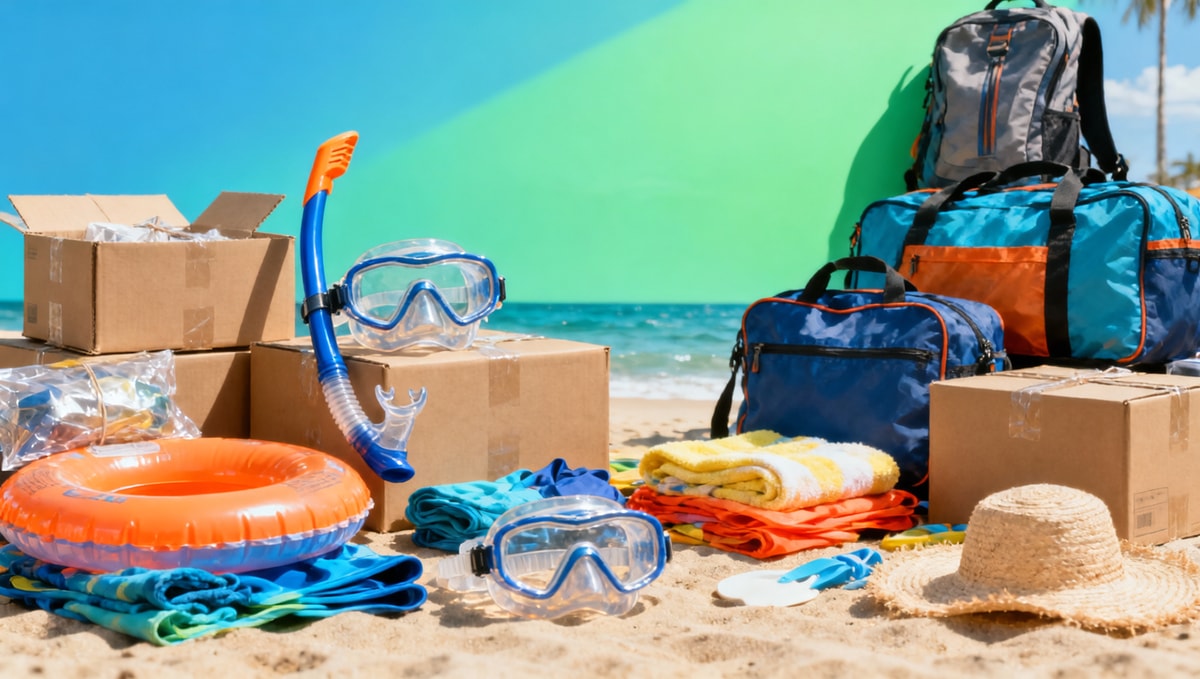
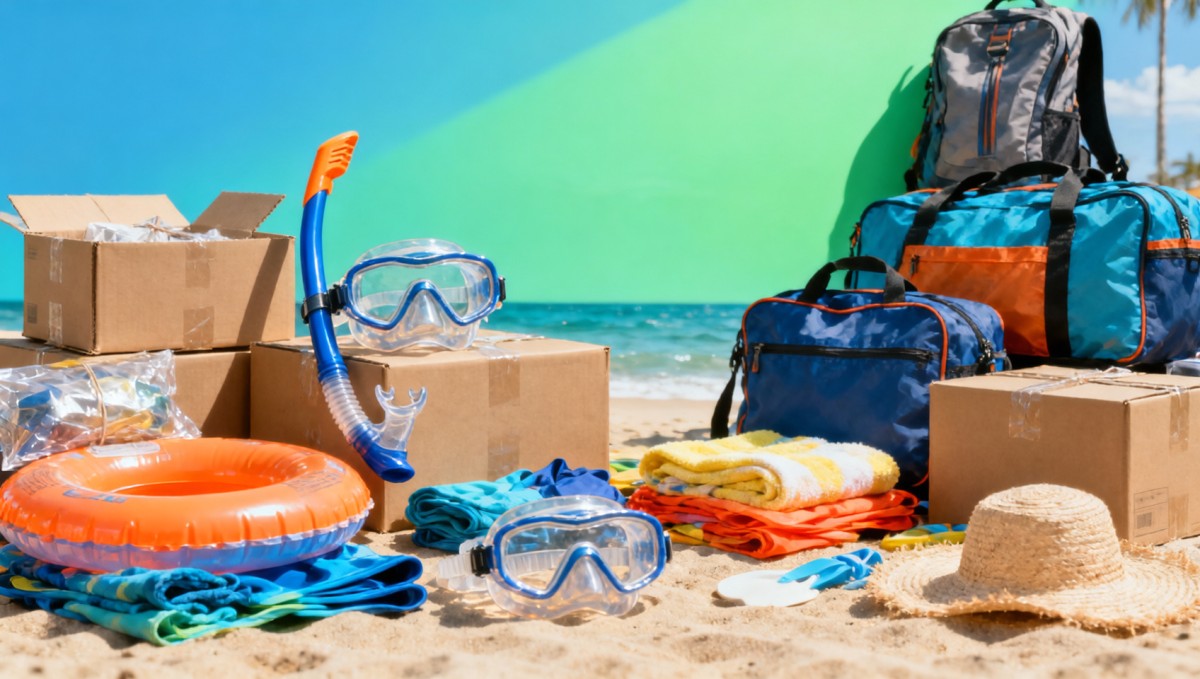
For water gear, this usually covers products such as swim accessories, inflatable items, snorkeling gear, water sports support products, beach-related outdoor goods, and adjacent seasonal accessories. Whether the buyer is working for a retailer, a private-label brand, a distributor, or a sourcing team, the main concerns are consistent:
- Will this supplier still meet lead time once peak orders start stacking up?
- Are material, testing, and labeling requirements already understood?
- Is the quoted price realistic, or likely to rise after sampling or compliance review?
- Can the supplier support packaging, customization, and replenishment speed?
- What happens if one factory misses schedule or fails quality checks?
That means effective supply chain research should not stay at the level of general market trends. It needs to produce sourcing decisions that are commercially usable.
Start with category demand and seasonality, not supplier outreach
One common mistake is contacting suppliers before clarifying which water gear segments are likely to perform best in the coming season. Peak season buying decisions should begin with category filtering. This helps procurement and commercial teams focus supplier research on products with stronger sell-through potential and lower risk.
Useful evaluation points include:
- Seasonal demand timing: When do buyers in each target market place orders, and when do consumers actually purchase?
- Margin structure: Which items can absorb freight, testing, and packaging costs while staying competitive?
- Return and complaint risk: Water gear can carry high customer sensitivity around leakage, breakage, fit, inflation performance, and safety claims.
- Product complexity: Simpler SKUs may scale faster, while technical products may require deeper factory validation.
- Trend resilience: Is the product a one-season novelty or a repeatable core item?
For enterprise decision-makers, this stage matters because it prevents overinvestment in eye-catching but operationally fragile products. For technical evaluators and project managers, it sets a realistic specification path early. For finance and approval teams, it improves the odds that committed volume aligns with expected turnover.
How to evaluate water gear suppliers beyond unit price
In peak season preparation, the lowest quoted price often becomes the highest landed risk. Water gear sourcing should be evaluated through a broader supplier readiness framework.
1. Production capability by product type
A factory that performs well on basic swim accessories may not be equally capable in inflatables, bonded materials, molded plastics, waterproof textiles, or items requiring pressure retention and sealing consistency. Buyers should verify whether the factory’s core production history truly matches the target SKU.
2. Capacity realism
Suppliers may quote attractive lead times before order confirmation, then extend schedules once high season begins. Ask what percentage of capacity is already booked, whether they run dedicated lines for similar products, and how they manage urgent repeat orders.
3. Material sourcing stability
Many water gear products depend on PVC alternatives, TPU, silicone, EVA, neoprene-like materials, plastics, valves, straps, buckles, coatings, or printed components. If upstream materials are unstable, final lead times will also be unstable.
4. Compliance experience
Suppliers familiar with destination-market testing and documentation requirements reduce onboarding friction. A factory that understands retailer compliance protocols is often more valuable than one offering a slightly lower ex-works price.
5. Quality control maturity
For water-related products, quality failure is not just cosmetic. It can affect safety, usability, customer reviews, and retailer claims. Look for evidence of incoming material inspection, in-line checks, functional testing, pressure or leakage verification where relevant, and final inspection discipline.
6. Commercial responsiveness
Fast and accurate communication is a real supply chain asset during compressed seasonal planning. Sampling updates, document turnaround, packaging changes, and corrective action speed all affect launch reliability.
Compliance, product safety standards, and product regulations cannot be left to the end
For water gear, compliance is often what separates a smooth product launch from a blocked shipment. Different products may trigger different standards depending on intended use, user age, market of sale, materials, and claims made on packaging or marketing content.
Teams should clarify early:
- Whether the item is a toy, sporting good, general consumer product, or child-related product
- Which chemical, mechanical, flammability, labeling, or age-grading rules may apply
- Whether retailer-specific standards go beyond legal minimums
- What documentation must be available before shipment, listing, or customs review
For example, products marketed to children or family leisure use may trigger stricter review than adult-oriented water sports accessories. Claims such as “safe,” “protective,” “training,” “non-toxic,” or “eco-friendly” may also increase the need for substantiation. If an item has inflation features, flotation-related language, skin contact materials, or detachable parts, testing and warning requirements may become more complex.
For quality and safety managers, pre-season research should include a compliance map for each product family. For business leaders, the practical takeaway is simple: compliance should be built into supplier selection, costing, and timeline planning, not treated as a final checkpoint.
What a practical pre-season supply chain research process should look like
A strong process helps cross-functional teams make decisions faster and with fewer surprises. The following workflow is especially useful for water gear programs with seasonal launch pressure:
Step 1: Define target SKU shortlist
Prioritize products based on market demand, margin, complexity, and strategic fit.
Step 2: Create supplier comparison criteria
Score suppliers on capability, compliance readiness, MOQ flexibility, sample speed, communication quality, and capacity confidence.
Step 3: Validate commercial assumptions
Do not compare only ex-works cost. Include tooling, testing, packaging, duty impact, shipping mode assumptions, and likely rework costs.
Step 4: Review samples functionally
For water gear, sample review should test actual use performance, not just appearance. Depending on the product, this can include seal strength, inflation retention, fastener durability, user comfort, water resistance, assembly, and warning clarity.
Step 5: Audit documentation readiness
Confirm whether the supplier can support required declarations, test plans, traceability, and labeling records.
Step 6: Build backup options
If the category is strategically important, consider dual sourcing, alternate materials, or a second approved factory for replenishment support.
Step 7: Lock timeline before demand spikes
Reserve production windows and align internal approvals early. Delay at the buying stage often creates cascading cost increases later.
Key risks that typically hit water gear supply chains during peak season
Peak season does not create risk from nothing; it magnifies weak planning. In water gear categories, the most common supply-side problems are predictable.
- Late material procurement: Especially for specialized valves, coated fabrics, printed films, or custom accessories
- Testing failure after bulk preparation: Often caused by inconsistent materials or unapproved changes
- Capacity displacement: Higher-volume customers may receive priority once factory schedules tighten
- Packaging bottlenecks: Custom retail packaging, barcode labeling, inserts, and multilingual warnings can delay ship dates
- Freight compression: Seasonal demand increases pressure on vessel space and transit predictability
- Demand forecast mismatch: Underbuying misses revenue, while overbuying ties up working capital in short-season inventory
This is why pre-season research should combine retail data with supplier intelligence. Market demand alone is not enough. A commercially attractive product is still a poor bet if the supply chain cannot reliably support it.
How different stakeholders should use the research
Because the target audience spans multiple roles, the value of supply chain research should be translated into role-specific decisions.
- Procurement teams: Use it to compare supplier risk, negotiate from better cost visibility, and avoid single-point dependency.
- Technical evaluators: Use it to align specs, material suitability, and testing scope before tooling or bulk approval.
- Quality and safety teams: Use it to identify likely compliance gaps and build inspection checkpoints early.
- Project managers: Use it to create realistic milestone schedules that reflect sampling, testing, and shipment constraints.
- Commercial leaders: Use it to decide which product lines justify faster commitment or broader assortment.
- Finance approvers: Use it to assess total landed risk, not just purchase price, before releasing seasonal budget.
- Distributors and agents: Use it to judge whether brand partners can maintain supply continuity across high-demand windows.
When these teams work from the same research base, decision quality improves. It also reduces the common problem of late-stage conflict between commercial ambition, technical feasibility, and compliance reality.
What strong brand supply decisions look like before international retail growth
For companies pursuing international retail growth, better water gear sourcing is not just about filling near-term seasonal demand. It is about building a repeatable decision model. The strongest brand supply decisions usually show the following characteristics:
- They are based on category-level demand evidence, not only supplier recommendations
- They include compliance planning at the sourcing stage
- They compare total supply reliability, not just factory pricing
- They include backup scenarios for production or logistics disruption
- They match product complexity to supplier maturity
- They recognize that seasonal speed and quality consistency must be managed together
In practical terms, this means buyers should commit earlier on proven SKUs, be more selective on technically demanding launches, and avoid adding avoidable customization too late in the process. It also means treating retail analysis, factory qualification, and product regulation review as one connected workflow.
Before peak season hits, the best supply chain research for water gear answers a business-critical question: can this product line be supplied safely, on time, at a viable margin, and at the quality level the market expects? If the answer is not yet clear, more supplier outreach alone will not fix the problem. What helps is structured research covering demand, factory capability, compliance, quality controls, and contingency planning.
For brands, sourcing teams, and distributors preparing for seasonal demand, early clarity creates the biggest advantage. It protects launch timing, reduces hidden costs, and supports more confident international retail growth. In water gear, waiting too long usually means paying more for less certainty. The smarter move is to research earlier, compare deeper, and approve only what can stand up to both market demand and supply chain reality.
Related Intelligence
") Skincare OEMApr 30, 2026FDA Adds New INCI Code for Plant Stem Cell Extracts (PSC-2026)FDA's new PSC-2026 INCI code for plant stem cell extracts demands strict documentation—get compliant fast to avoid U.S. shipment delays.
Skincare OEMApr 30, 2026FDA Adds New INCI Code for Plant Stem Cell Extracts (PSC-2026)FDA's new PSC-2026 INCI code for plant stem cell extracts demands strict documentation—get compliant fast to avoid U.S. shipment delays. Electronic & RC ToysApr 30, 2026RC Toy Orders Shift to South China Cluster, Lead Time Cuts to 6 WeeksRC toy orders are shifting to South China’s Dongguan–Shenzhen–Zhongshan cluster—lead times slashed to 6 weeks. Discover how exporters, suppliers & logistics players can adapt now.
 Cosmetics & PkgApr 30, 2026SASO Updates Cosmetics Packaging Rules for Plant ExtractsSASO updates cosmetics packaging rules for plant extracts—mandatory migration & light stability testing from Oct 1, 2026. Act now to avoid delays!
 Corporate & Seasonal GiftsApr 30, 2026Germany UBA Launches Mandatory Carbon Labelling Pilot for Corporate Gift InksGermany UBA's new Carbon Labelling Pilot mandates verified ink carbon footprints for corporate gifts—key for Chinese exporters & B2B gifting suppliers entering Germany.
 Fitness EquipmentApr 30, 2026THE Alliance Cuts Shanghai–LA Capacity Again: Fitness Equipment Shipment Delays to 8–10 WeeksFitness equipment shipment delays hit 8–10 weeks as THE Alliance cuts Shanghai–LA capacity by 22%. Urgent insights for exporters, forwarders & U.S. importers.
 Camping & WaterApr 30, 2026Vietnam MOIT Suspends Import Licenses for Camping & Water PumpsVietnam MOIT suspends import licenses for camping & water pumps—IP6X and ASTM B117 compliance now mandatory. Act now to avoid delays.
 Smart Pet DevicesApr 30, 2026Japan METI Adds Smart Cat Litter Machines to PSE Fast-Track ListSmart cat litter machines now qualify for Japan's PSE fast-track certification — just 7 days for Chinese-made units with auto-cleaning, APP control & biological sensing.
 STEM & Educational ToysApr 30, 2026CPSC Tightens STEM Toy Battery Compartment StandardsCPSC Tightens STEM Toy Battery Compartment Standards: New ASTM F963-26 Annex D2 test mandates dynamic pressure + vibration compliance by July 1, 2026—act now to avoid shipment rejections.
 Infant Feeding & CareApr 30, 2026RCEP Launches Infant Feeding Fast Track for China NMPA Class II ProductsRCEP Infant Feeding Fast Track now live: China NMPA Class II products skip redundant testing in 5 ASEAN markets — faster certification, 40%+ cost savings.
 Beauty DevicesApr 30, 2026EU EPR Rules Take Effect for Beauty & Baby Monitors on Apr 29, 2026EU EPR rules for beauty & baby monitors take effect Apr 29, 2026 — mandatory registration, fees & compliance for exporters. Act now to avoid customs delays & marketplace deactivation.
 2026/789 on Beauty Device Packaging Takes Effect") Beauty DevicesApr 29, 2026EU Regulation (EU) 2026/789 on Beauty Device Packaging Takes EffectEU Regulation (EU) 2026/789 mandates 30% recycled plastic & LCA declarations for beauty device packaging — act now to avoid Amazon.de/fr rejections!
Beauty DevicesApr 29, 2026EU Regulation (EU) 2026/789 on Beauty Device Packaging Takes EffectEU Regulation (EU) 2026/789 mandates 30% recycled plastic & LCA declarations for beauty device packaging — act now to avoid Amazon.de/fr rejections! Electronic & RC ToysApr 29, 2026ICTA: RC Toy Orders Shift to South China, Lead Time Cuts to 6 WeeksICTA reports RC toy orders shifting to South China—78% now flow to Guangdong’s cluster, cutting lead times to just 6 weeks. Act now to optimize sourcing, compliance & logistics.
 STEM & Educational ToysApr 29, 2026CPSC Nanomaterial Migration Rule for STEM Toys Effective Q3 2026CPSC Nanomaterial Migration Rule for STEM Toys: New ASTM F963–24 testing (≤0.05 mg/cm²/h) mandatory from Oct 1, 2026—avoid detention & recalls.