Product regulations affecting foldable fitness equipment imports
Navigating product regulations for foldable fitness equipment imports demands more than basic compliance. For buyers and sourcing teams in international retail, understanding product safety standards, international supply dynamics, and retail data is essential to reducing risk and protecting brand supply. This article delivers practical retail insights and supply chain analysis to help decision-makers evaluate regulatory requirements, supplier readiness, and market entry strategies with confidence.
Why foldable fitness equipment imports are a regulatory issue for travel service buyers
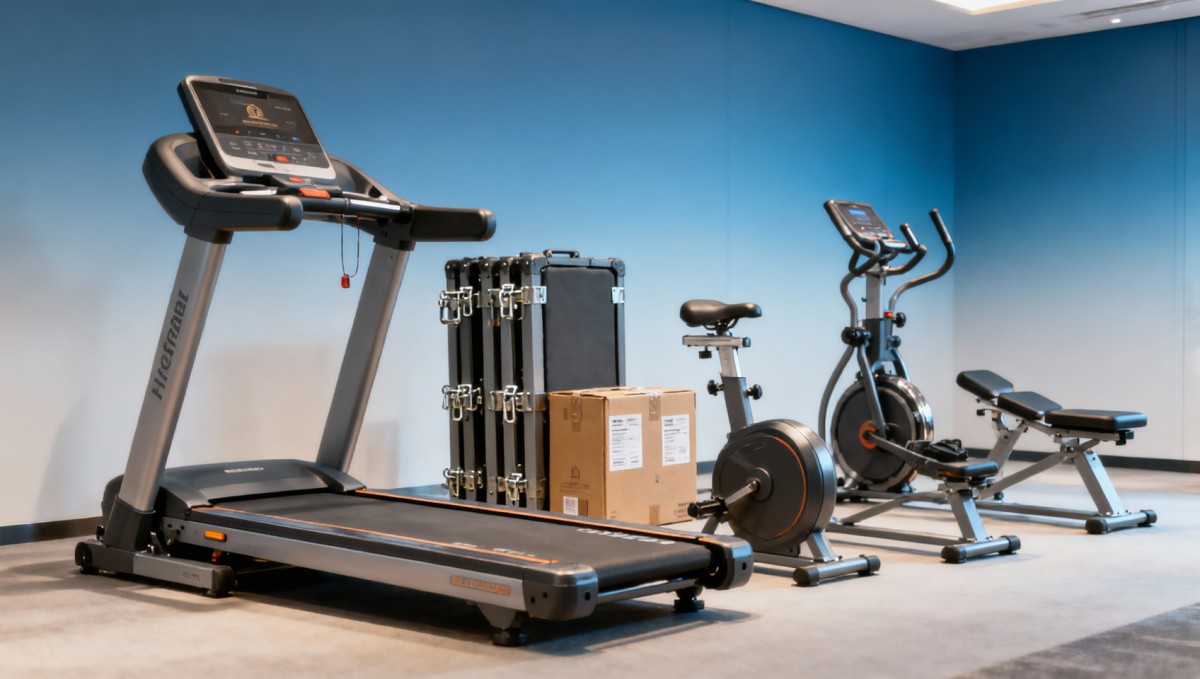
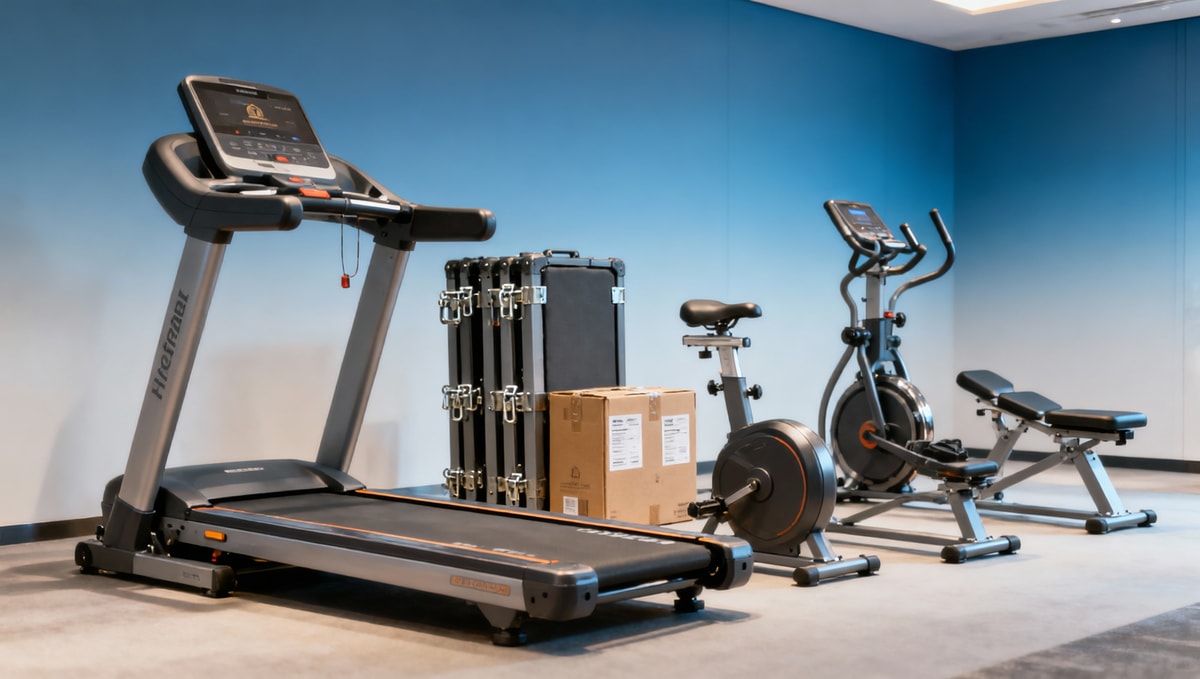
For travel service operators, foldable fitness equipment is no longer limited to gyms. Hotels, resorts, cruise programs, serviced apartments, wellness retreats, and tourism recovery centers increasingly use compact treadmills, foldable bikes, adjustable benches, and portable strength devices to upgrade guest experience in limited spaces. That creates a procurement challenge: once equipment crosses borders, it must satisfy product regulations affecting foldable fitness equipment imports, not only commercial expectations.
The regulatory burden usually falls across 3 layers. First, there is product safety compliance tied to mechanical structure, load-bearing capacity, pinch-point prevention, warnings, and user instructions. Second, there is market access documentation such as labeling, declaration files, test reports, and importer records. Third, there are destination-country controls linked to packaging, chemical restrictions, electrical components, and customs classification. Missing any one layer can delay import clearance by 7–15 days or trigger relabeling, retesting, or warehouse holds.
Travel service businesses face a different risk profile than ordinary retail sellers. Equipment may be used by guests with wide differences in age, fitness level, and operating behavior. That means product misuse, repetitive usage cycles, and liability exposure are higher. A foldable treadmill placed in a hotel suite may be opened and closed dozens of times per month, while a unit in a villa rental may face transport between rooms, uneven flooring, and unsupervised operation. Procurement teams must therefore evaluate not only whether a product can be imported, but whether it is suited to hospitality conditions.
This is where Global Consumer Sourcing supports B2B buyers. GCS helps procurement directors, quality managers, distributors, and project leaders connect product regulation review with sourcing decisions, supplier maturity, and retail-readiness. Instead of treating compliance as a final checkpoint, buyers can use it as an early filter to reduce commercial risk, improve launch timing, and avoid selecting suppliers that look competitive on price but weak on documentation and product control.
Where import problems typically begin
- Product classification is unclear, especially when a foldable item combines mechanical and electrical functions.
- Suppliers provide general certificates but not product-specific files tied to the exact model, configuration, or market.
- Hospitality buyers focus on design and storage footprint, while overlooking warning labels, language requirements, and instruction manuals.
- Purchasing teams approve samples before confirming the production version uses the same frame, locking system, and motor components.
Which standards and compliance checks matter before import approval?
There is no single global rulebook for foldable fitness equipment imports. Requirements vary by destination market, product category, and whether the equipment is powered or non-powered. However, experienced importers usually review 5 core compliance dimensions before issuing a purchase order: mechanical safety, electrical safety where applicable, chemical and material restrictions, labeling and user information, and packaging or transport conformity. In practice, this review should happen at least 2–4 weeks before final production booking.
Mechanical safety is central because foldable structures introduce hinges, locks, and movement paths that can cause crushing, collapse, or instability if poorly designed. For hospitality and tourism use, buyers should ask how the product performs during repeated folding cycles, uneven operator force, and extended storage. A product may pass basic function checks in a showroom but still create field issues when used by rotating guests and housekeeping staff.
Electrical safety becomes important for motorized products such as foldable treadmills or recovery devices with digital controls. Voltage compatibility, plug configuration, overheating risk, and instruction clarity all affect import readiness. For buyers serving multiple tourism markets, separate variants may be needed for 110–120V and 220–240V regions. That adds complexity to sourcing, packaging, spare parts, and after-sales support.
Chemical compliance is often ignored until customs or platform review raises questions. Handles, foam grips, plastic covers, painted frames, and packaging inks may fall under market-specific substance controls. A quality team should request bill-of-material summaries and, where relevant, test documentation aligned with destination-market expectations. This is especially important for branded travel operators that want to avoid post-import claims related to odor, material quality, or restricted substances.
A practical compliance checklist for buyers
Before confirming a supplier, buyers can use the following table to map product regulations affecting foldable fitness equipment imports against the actual documents and controls required during sourcing, shipment, and market entry.
The table shows why compliance cannot be reduced to asking for “a certificate.” Buyers need a market-specific file package connected to the exact production version. GCS helps sourcing teams compare supplier claims with practical documentation readiness, which is often the difference between a smooth inbound process and a costly correction cycle after cargo departure.
Documents that should be checked before deposit payment
- Product specification sheet matching the final model, dimensions, user weight rating, and power details if applicable.
- Draft artwork for labels, carton marks, and instruction manuals in the destination language or languages.
- Available compliance records for target markets, including declarations, test reports, or material statements where required.
- Quality control plan covering pre-production, in-line inspection, and final random inspection before shipment.
How should hospitality and travel buyers compare suppliers?
A supplier that can export foldable fitness equipment is not automatically suitable for travel service programs. Hotels and tourism operators need a different mix of durability, compact storage, guest safety, and predictable replenishment. Many sourcing errors come from comparing factories only on unit price and lead time. A better method is to evaluate suppliers through 4 decision lenses: compliance depth, operational consistency, service support, and product fit for hospitality environments.
Compliance depth means the supplier can explain not just what documents exist, but which market they apply to, whether they cover the exact foldable structure, and how changes in material or motor components affect validity. Operational consistency refers to production discipline: incoming material checks, torque control during assembly, packaging repeatability, and batch traceability. For importers managing 200-room hotels or multi-site wellness chains, inconsistency across batches creates more hidden cost than a slightly higher quoted price.
Service support matters because foldable products are frequently assembled, repositioned, and serviced by non-technical staff. Buyers should ask whether spare parts can be supplied within 10–30 days, whether manuals include clear setup visuals, and whether the supplier can support private labeling without affecting mandatory warnings. Distributors and agents should also confirm carton durability and pallet efficiency, since hospitality projects often require mixed shipments with room equipment, wellness accessories, and retail-ready packaging.
Product fit is where travel service logic becomes critical. A treadmill with a strong retail look may still be a poor hotel choice if the folded profile is bulky, wheels are weak, noise is unsuitable for upper floors, or the deck lock loosens after repeated use. GCS gives buyers a clearer sourcing framework by connecting product regulation review with real-world deployment conditions across hospitality, wellness travel, and premium accommodation channels.
Supplier comparison table for import decisions
The following comparison structure helps procurement teams, quality managers, and finance approvers align on what a compliant and commercially viable supplier should look like before import commitment.
For project managers and finance reviewers, this comparison makes decision-making more transparent. A supplier with a 5%–10% lower ex-works price may still be more expensive after relabeling, spare-part delays, claim handling, and project disruption. In hospitality procurement, total landed reliability often matters more than the first quoted number.
Four questions to ask before approving a vendor
- Can the supplier show the compliance file for the exact foldable model, not a similar series?
- How many inspection checkpoints are built into production and pre-shipment release?
- What spare parts are available for 12–24 months after delivery?
- Has the supplier adapted instructions, packaging, and warnings for hospitality users rather than only home retail buyers?
What procurement workflow reduces delays, claims, and hidden cost?
Import compliance works best when it is embedded into a sourcing workflow rather than handled after production. For foldable fitness equipment imports, a disciplined process typically follows 4 steps: requirement mapping, supplier validation, pre-shipment control, and post-arrival readiness. This sequence is especially relevant for travel service groups launching room wellness programs, upgrading fitness corners, or equipping seasonal properties on tight reopening schedules.
In requirement mapping, the buyer defines the operating context first. Will the equipment be used in compact hotel rooms, premium villas, cruise cabins, or wellness studios? What is the storage footprint? Is daily guest turnover high? Will staff move units between spaces? A practical brief should include 6 items: target market, user type, fold size, open size, weight capacity, and electrical configuration if the product is powered. This prevents later changes that can invalidate documents or packaging.
Supplier validation should combine commercial and technical review. Buyers should compare sample quality, manual quality, labeling readiness, and production control records before deposit release. For large tourism projects, it is wise to schedule a sample-to-production consistency review and a packaging drop-risk check. Even a good product can fail in import execution if carton markings, destination labels, or accessory packs differ from the approved file.
Pre-shipment control should not rely only on quantity confirmation. A meaningful final inspection for foldable fitness equipment should review assembly completeness, fold-lock function, surface finish, hardware tightness, manual insertion, carton accuracy, and serial or batch traceability where used. After arrival, the receiving team should verify installation instructions, room suitability, and safe-use communication for staff. This is particularly important when the equipment will be offered to international guests with different expectations and safety habits.
A lean import workflow for multi-stakeholder teams
- Week 1: Define destination market, hospitality use case, and mandatory compliance checkpoints.
- Week 2: Review supplier documents, sample structure, labeling plan, and packaging details.
- Week 3–6: Confirm production booking with approved bill of materials and inspection milestones.
- 7–10 days before shipment: Conduct final inspection, documentation cross-check, and shipping mark approval.
Common hidden costs finance teams should anticipate
Finance approvers often focus on unit price, freight, and duty, but product regulations affecting foldable fitness equipment imports create secondary cost layers. These can include destination relabeling, supplementary testing, port storage, manual reprinting, spare-parts air shipments, and replacement of damaged cartons or accessories. On a medium-size hospitality rollout, even one compliance correction can affect opening schedules and guest experience targets.
That is why GCS emphasizes pre-order clarity. Better documentation review and supplier screening usually cost far less than recovery action after cargo is in transit. For decision-makers, the real procurement goal is not the lowest factory offer, but the most controllable total import outcome.
FAQ and final buying guidance for foldable fitness equipment imports
The most common search questions from buyers, distributors, and project teams are not purely technical. They usually combine regulation, usability, logistics, and supplier trust. The FAQ below addresses the issues most likely to affect import success in travel service settings.
How do I know whether a foldable fitness product is import-ready for my market?
Start with a 3-part check: exact model identification, destination-market document review, and labeling confirmation. The file set should match the final product version, including power configuration, frame structure, and packaging language. If a supplier only offers broad or outdated paperwork, import risk remains high even if the sample looks acceptable.
What matters more for hotels and resorts: certification or durability?
Both matter, but they solve different problems. Certification and compliance records support market access and legal defensibility. Durability supports guest satisfaction and operating continuity. In shared-use tourism environments, a compliant product with poor folding durability can still generate claims within the first 3–6 months. Buyers should therefore review compliance and repetitive-use suitability together.
What is a realistic lead time for compliant import sourcing?
A typical planning window is 4–8 weeks before shipment, depending on product complexity, destination market, and documentation readiness. If manuals require multilingual updates, packaging needs private-label changes, or additional testing is needed, timelines can extend further. Building a 2-week buffer into project schedules is often prudent for hospitality launches.
Are foldable products always better for travel service spaces?
Not always. Foldability saves space, but it also adds hinges, locks, and movement points that require stronger quality control and better user guidance. In low-turnover premium villas, foldable units can work well. In high-traffic hotel gyms, fixed-frame products may sometimes be more practical. The right choice depends on storage constraints, guest behavior, staff handling frequency, and maintenance capacity.
Why work with GCS when evaluating suppliers and regulations?
GCS helps buyers connect sourcing intelligence with compliance, category trends, supplier readiness, and retail-commercial logic. That is valuable for importers who need more than generic product listings. Whether you are an information researcher validating market entry, a quality manager reviewing safety documentation, a distributor comparing OEM options, or a business approver checking risk, GCS brings structured insight to a process that is often fragmented across departments.
Why choose us for your next sourcing decision
Global Consumer Sourcing supports buyers who need practical answers before placing an order. You can consult on foldable fitness equipment import requirements, target-market certification expectations, supplier document screening, hospitality-use product selection, sample review priorities, and delivery timing risks. We also help teams compare OEM and ODM options, evaluate private-label readiness, and identify where compliance gaps may affect launch schedules or brand exposure.
If your team is planning a hotel wellness rollout, resort equipment update, distributor sourcing program, or cross-border retail expansion, contact GCS to discuss product parameters, certification questions, sample support, supplier comparison, packaging review, and quotation planning. Clearer decisions at the sourcing stage can prevent expensive corrections later in the import cycle.
Related Intelligence
") Skincare OEMApr 30, 2026FDA Adds New INCI Code for Plant Stem Cell Extracts (PSC-2026)FDA's new PSC-2026 INCI code for plant stem cell extracts demands strict documentation—get compliant fast to avoid U.S. shipment delays.
Skincare OEMApr 30, 2026FDA Adds New INCI Code for Plant Stem Cell Extracts (PSC-2026)FDA's new PSC-2026 INCI code for plant stem cell extracts demands strict documentation—get compliant fast to avoid U.S. shipment delays. Electronic & RC ToysApr 30, 2026RC Toy Orders Shift to South China Cluster, Lead Time Cuts to 6 WeeksRC toy orders are shifting to South China’s Dongguan–Shenzhen–Zhongshan cluster—lead times slashed to 6 weeks. Discover how exporters, suppliers & logistics players can adapt now.
 Cosmetics & PkgApr 30, 2026SASO Updates Cosmetics Packaging Rules for Plant ExtractsSASO updates cosmetics packaging rules for plant extracts—mandatory migration & light stability testing from Oct 1, 2026. Act now to avoid delays!
 Corporate & Seasonal GiftsApr 30, 2026Germany UBA Launches Mandatory Carbon Labelling Pilot for Corporate Gift InksGermany UBA's new Carbon Labelling Pilot mandates verified ink carbon footprints for corporate gifts—key for Chinese exporters & B2B gifting suppliers entering Germany.
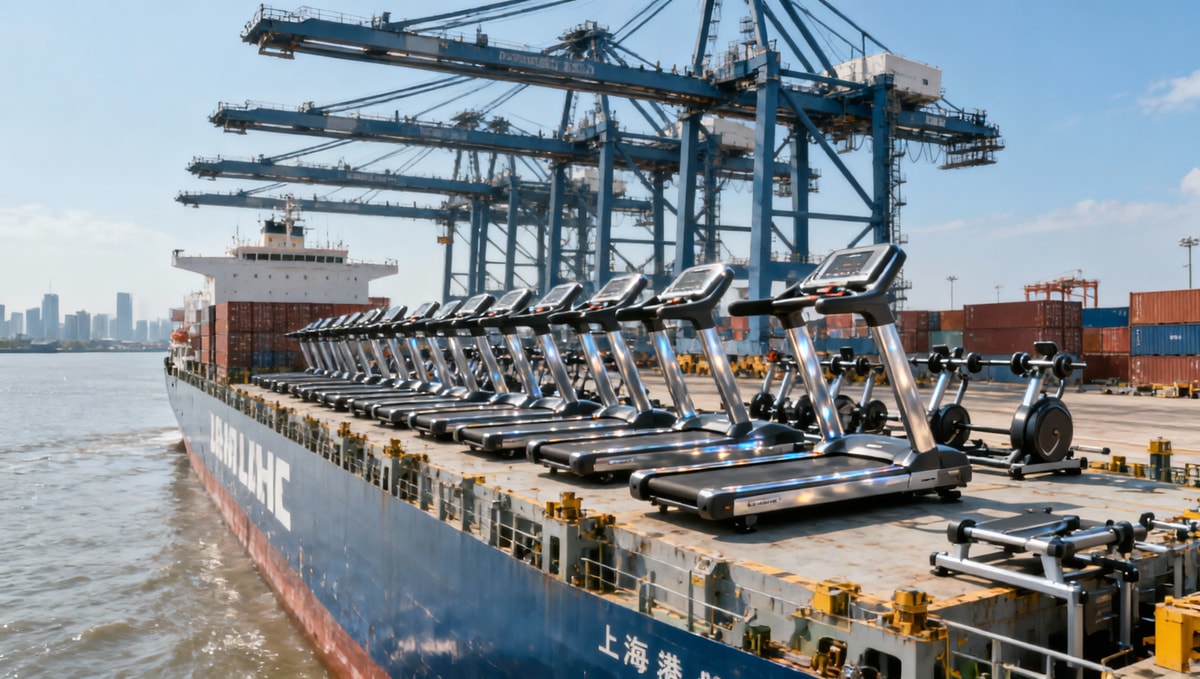
 Fitness EquipmentApr 30, 2026THE Alliance Cuts Shanghai–LA Capacity Again: Fitness Equipment Shipment Delays to 8–10 WeeksFitness equipment shipment delays hit 8–10 weeks as THE Alliance cuts Shanghai–LA capacity by 22%. Urgent insights for exporters, forwarders & U.S. importers.
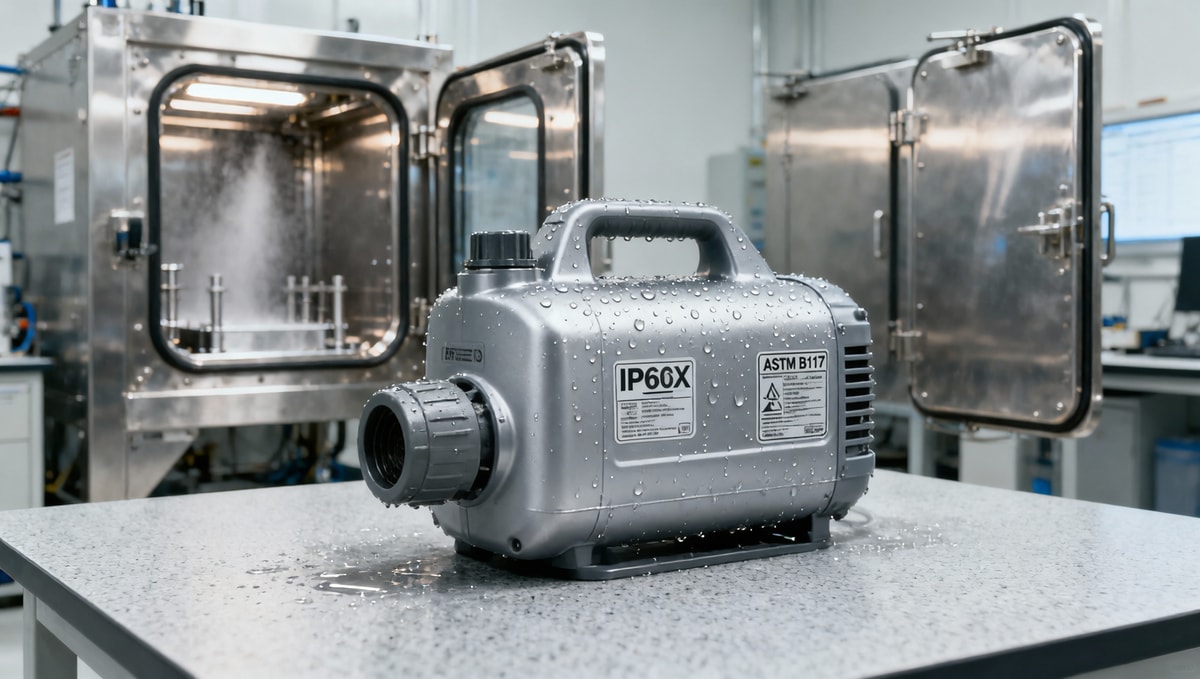
 Camping & WaterApr 30, 2026Vietnam MOIT Suspends Import Licenses for Camping & Water PumpsVietnam MOIT suspends import licenses for camping & water pumps—IP6X and ASTM B117 compliance now mandatory. Act now to avoid delays.
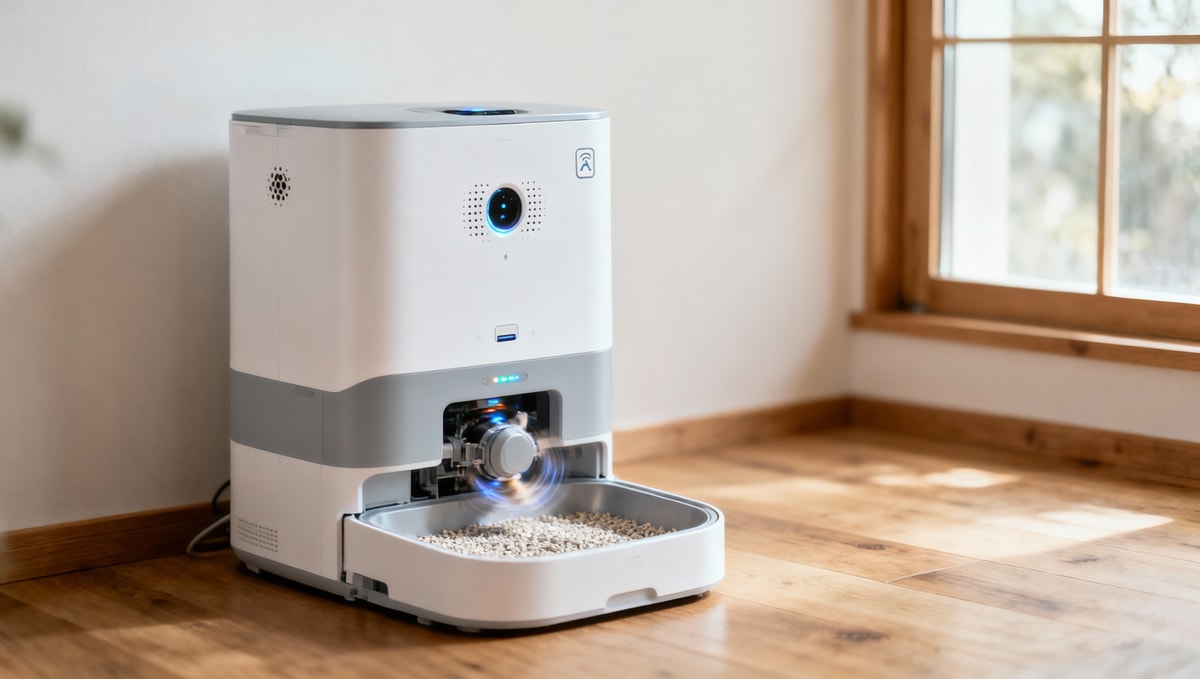
 Smart Pet DevicesApr 30, 2026Japan METI Adds Smart Cat Litter Machines to PSE Fast-Track ListSmart cat litter machines now qualify for Japan's PSE fast-track certification — just 7 days for Chinese-made units with auto-cleaning, APP control & biological sensing.
 STEM & Educational ToysApr 30, 2026CPSC Tightens STEM Toy Battery Compartment StandardsCPSC Tightens STEM Toy Battery Compartment Standards: New ASTM F963-26 Annex D2 test mandates dynamic pressure + vibration compliance by July 1, 2026—act now to avoid shipment rejections.
 Infant Feeding & CareApr 30, 2026RCEP Launches Infant Feeding Fast Track for China NMPA Class II ProductsRCEP Infant Feeding Fast Track now live: China NMPA Class II products skip redundant testing in 5 ASEAN markets — faster certification, 40%+ cost savings.
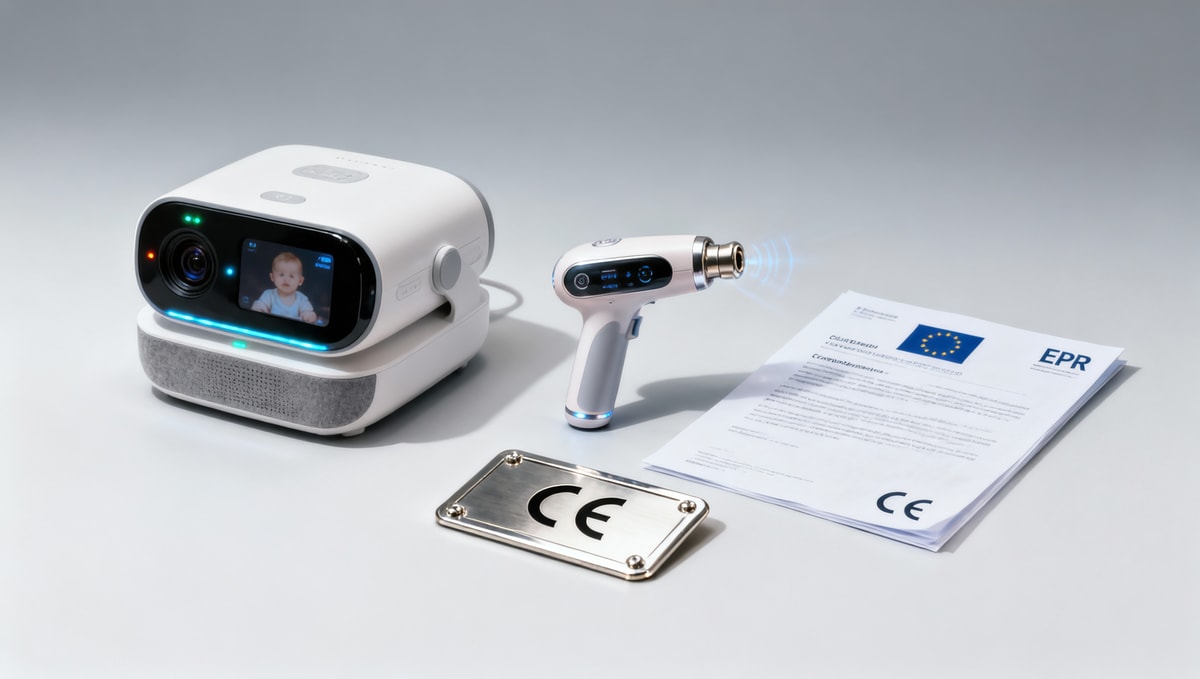
 Beauty DevicesApr 30, 2026EU EPR Rules Take Effect for Beauty & Baby Monitors on Apr 29, 2026EU EPR rules for beauty & baby monitors take effect Apr 29, 2026 — mandatory registration, fees & compliance for exporters. Act now to avoid customs delays & marketplace deactivation.
 2026/789 on Beauty Device Packaging Takes Effect") Beauty DevicesApr 29, 2026EU Regulation (EU) 2026/789 on Beauty Device Packaging Takes EffectEU Regulation (EU) 2026/789 mandates 30% recycled plastic & LCA declarations for beauty device packaging — act now to avoid Amazon.de/fr rejections!
Beauty DevicesApr 29, 2026EU Regulation (EU) 2026/789 on Beauty Device Packaging Takes EffectEU Regulation (EU) 2026/789 mandates 30% recycled plastic & LCA declarations for beauty device packaging — act now to avoid Amazon.de/fr rejections! Electronic & RC ToysApr 29, 2026ICTA: RC Toy Orders Shift to South China, Lead Time Cuts to 6 WeeksICTA reports RC toy orders shifting to South China—78% now flow to Guangdong’s cluster, cutting lead times to just 6 weeks. Act now to optimize sourcing, compliance & logistics.
 STEM & Educational ToysApr 29, 2026CPSC Nanomaterial Migration Rule for STEM Toys Effective Q3 2026CPSC Nanomaterial Migration Rule for STEM Toys: New ASTM F963–24 testing (≤0.05 mg/cm²/h) mandatory from Oct 1, 2026—avoid detention & recalls.