Basketball Hoop Wholesale: Cost, MOQ, and Quality Checks
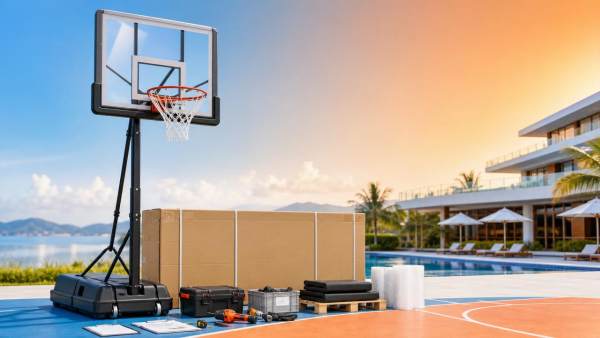
Basketball hoop wholesale decisions often look simple at first glance. The quoted unit price seems clear, but the real cost picture is rarely that neat.
For travel service businesses, sports resorts, activity parks, hotel recreation zones, and destination camps, the buying process carries extra pressure. Equipment must survive heavy guest use, seasonal demand swings, and strict safety expectations.
That is why basketball hoop wholesale sourcing is usually judged by landed cost, MOQ flexibility, packaging suitability, compliance records, and after-sales support rather than price alone.
In practice, buyers also need reliable market intelligence. Platforms such as Global Consumer Sourcing help frame supplier comparisons with data, compliance context, and sourcing signals that go beyond a catalog claim.
What does a smart basketball hoop wholesale quote actually include?
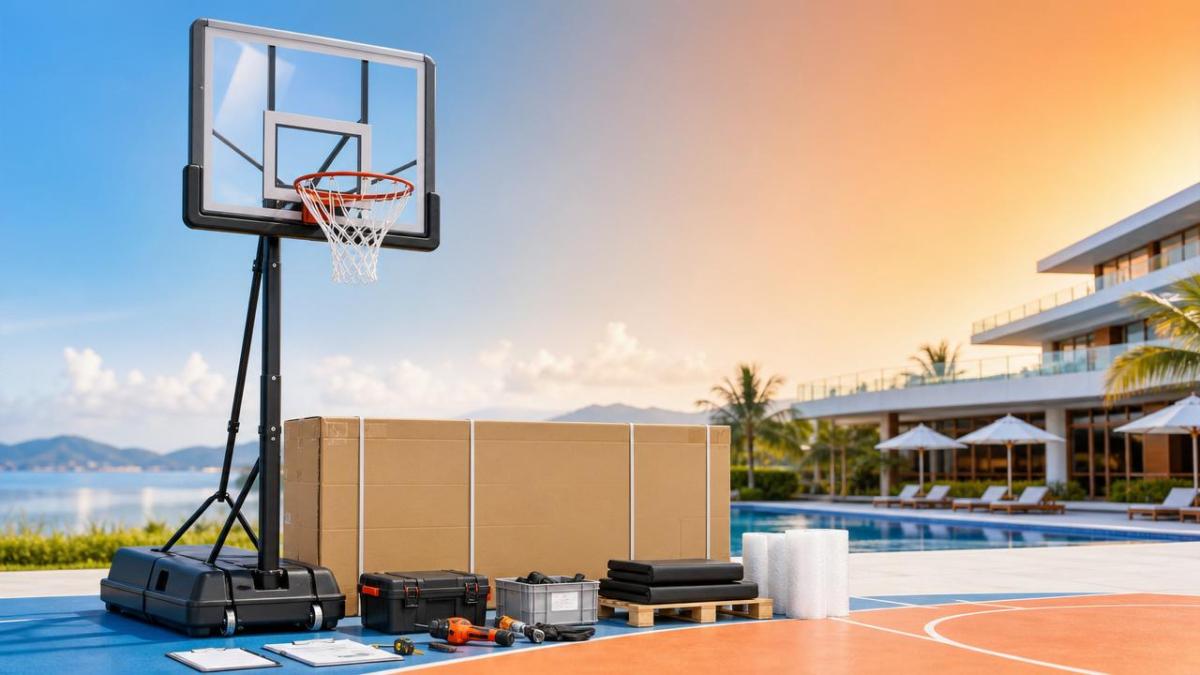
A useful quote should explain more than the hoop price. It needs to show what is included, what is optional, and what may become an extra charge later.
For travel-related venues, basketball hoop wholesale orders often involve portable systems, adjustable heights, weather-resistant finishes, and safer padding. Each feature changes cost and shipping efficiency.
A complete quote usually covers backboard material, rim type, pole thickness, base design, net quality, packaging, spare parts, and branding options. If these are missing, comparison becomes unreliable.
Freight terms matter just as much. FOB, EXW, and CIF can make two basketball hoop wholesale offers look close when the landed cost is actually far apart.
The more practical approach is to ask one question early: what will this order cost after production, packaging, freight, duty, inland delivery, and installation-related accessories?
A quick comparison checklist helps avoid hidden cost surprises
How low can MOQ go without creating bigger sourcing risk?
MOQ is rarely just a number. In basketball hoop wholesale, it usually reflects tooling efficiency, packaging setup, material purchasing, and labor planning.
A very low MOQ may sound attractive, especially for a resort launch, pop-up sports event, or new recreation concept. Still, low-volume orders can carry trade-offs.
More common trade-offs include higher unit pricing, fewer color choices, simplified packaging, or longer production lead times because the order waits for a combined factory run.
The better question is not just whether the supplier accepts a low MOQ. It is whether the supplier can maintain the same quality standard at that volume.
For basketball hoop wholesale projects tied to travel service environments, mixed orders may work better. One container can include family recreation units, youth training models, and heavy-use outdoor systems.
That structure improves assortment flexibility without forcing a risky single-model commitment. It also helps test guest response before scaling into a larger seasonal reorder.
- Ask whether MOQ applies per model, per color, or per packaging format.
- Check if sample costs can be credited against the first production order.
- Confirm if custom logos raise MOQ because of separate carton printing.
- Review lead time differences between standard stock and OEM production.
Which quality checks matter most before placing a basketball hoop wholesale order?
Quality control should follow actual use conditions. A hoop for a hotel courtyard faces different stress than a hoop sold through retail for occasional home use.
In travel service settings, guest turnover is high, maintenance windows are short, and visible damage affects the overall experience. That raises the value of pre-shipment inspection.
A reliable basketball hoop wholesale quality review usually covers structural stability, weld consistency, finish adhesion, rim rebound performance, hardware completeness, and packaging resistance.
Needless to say, photos alone are not enough. Video checks, third-party inspection, and batch sampling create a much clearer picture.
What should be on the inspection sheet?
- Backboard thickness and impact resistance match the approved specification.
- Pole joints show no visible cracks, rough welding, or alignment shift.
- Base assembly remains stable after loading and movement tests.
- Rims, bolts, wheels, and nets match the packing list exactly.
- Outer cartons survive stacking pressure and container handling.
This is where research quality matters. GCS-style sourcing intelligence is useful because it connects product evaluation with compliance behavior, factory consistency, and broader supply chain signals.
That combination helps separate a polished sample from a dependable production partner.
Are all basketball hoops suitable for tourism and hospitality use?
Not really. Basketball hoop wholesale catalogs often mix home-use, school-use, club-use, and public recreation models. The visible shape may look similar, but service expectations differ.
Hospitality and leisure environments usually need a balance between guest safety, visual appeal, mobility, and maintenance efficiency. That changes what counts as a good buy.
Portable systems are useful for seasonal resorts and multi-use event areas. In-ground systems fit permanent activity zones but may involve site work and longer installation planning.
Adjustable height is often valuable where both children and adults use the same area. However, the mechanism should be simple and tamper-resistant.
Outdoor surfaces also change the decision. Coastal properties may need stronger anti-corrosion treatment, while family resorts may prioritize padded protection and easy net replacement.
Where do basketball hoop wholesale orders usually go wrong?
The most common mistake is comparing offers that are not actually equivalent. One supplier quotes a thicker pole, another excludes padding, and a third uses lighter packaging.
Another issue is relying on a single sample. A good sample proves the factory can make one good unit. It does not prove batch consistency.
Lead time assumptions also create trouble. Peak season, steel fluctuations, and container scheduling can affect basketball hoop wholesale deliveries more than expected.
Then there is the spare parts gap. Nets, wheels, fasteners, and padding wear out faster in public leisure environments. Ignoring replacement planning raises downtime later.
A more careful sourcing rhythm works better:
- Lock technical specifications before asking for final prices.
- Request packing details before calculating freight assumptions.
- Approve a golden sample and match it to the inspection checklist.
- Include spare parts ratios in the same purchase discussion.
How should the next step be decided?
A strong basketball hoop wholesale decision usually comes from a short comparison framework, not from the lowest quote. That framework should combine use scenario, total cost, MOQ realism, and verified quality control.
For travel service applications, it helps to define where the hoops will be installed, who will use them, how often they will move, and how quickly maintenance must happen.
After that, narrow the supplier list using clearer evidence. Review specification sheets, test records, packaging plans, and inspection options side by side.
This is also where independent sourcing intelligence adds value. GCS is relevant not because of promotion, but because disciplined market analysis makes supplier screening more grounded and less reactive.
If the goal is a lower-risk order, start with a specification matrix, ask for a landed cost breakdown, and confirm how quality checks will be handled before deposit payment.
That approach gives basketball hoop wholesale sourcing a clearer path: fewer surprises, better product fit, and more confidence when the reorder decision arrives.
Related Intelligence
 STEM & Educational ToysOct 25, 2026Malaysia’s KPDN Seizes 5,801 Non-Compliant Squishy Toys in Nationwide ActionMalaysia’s KPDN reportedly seized 5,801 squishy toys lacking safety compliance marks. Discover key checks to help toy suppliers assess stock and verify compliance before distribution.
 Infant Feeding & CareOct 24, 2026FDA Issues Draft Guidance on Cadmium Action Levels in Baby FoodsFDA draft guidance on cadmium action levels in baby foods proposes category-specific targets. Explore potential impacts on sourcing, testing and compliance planning—and how to prepare.
 STEM & Educational ToysOct 23, 20262026 China Toy Expo Gives AI Toys a Dedicated Hall as Practical Features Take Priority2026 China Toy Expo spotlights AI toys with a dedicated hall. Explore how practical features and everyday play experiences are reshaping manufacturers’ product priorities.
 STEM & Educational ToysOct 22, 2026Blokees Showcases Over 900 Products at the 2026 China International Toy FairBlokees showcases over 900 products at the 2026 China International Toy Fair. Explore Model Kits, BLOKEES WHEELS and key sourcing checks to guide your next purchase.
 Cosmetics & PkgOct 21, 2026BASF Plans Beauty Innovation Showcase at in-cosmetics Asia 2026Explore BASF’s planned beauty innovations at in-cosmetics Asia 2026 in Bangkok, with a focus on skin protection, repair and sustainable solutions for personal care formulators.
 Cosmetics & PkgOct 20, 2026Beauty Tops Amazon’s 2026 Prime Big Deal Days Shopping CategoriesBeauty tops Amazon’s 2026 Prime Big Deal Days at 32% of shoppers, according to Market Defense. Explore what the findings could mean for product selection, inventory and promotional planning.
 Pet Grooming & TravelOct 14, 2026Which Pet Grooming Tools Have the Lowest Return Risk?Which pet grooming tools have the lowest return risk? Explore manual combs, rubber brushes, and sourcing tips to reduce avoidable returns and build a smarter, customer-friendly assortment.
 Pet Grooming & TravelOct 14, 2026How Should Buyers Assess a Pet Grooming Supplier Before Ordering?How do I assess a pet grooming supplier before ordering? Discover practical checks for quality, compliance, capacity, and contracts to reduce sourcing risks and buy with confidence.
 Corporate & Seasonal GiftsOct 14, 2026How Can Retailers Check Plush Toy Stuffing Quality?How do retailers check plush toy stuffing quality? Discover practical inspections, supplier checks, and testing tips to reduce defects and make smarter pet toy sourcing decisions.
 Corporate & Seasonal GiftsOct 14, 2026Are Embroidered Eyes Safer Than Plastic Eyes on Plush Toys?Are plush toys with embroidered eyes safer than plastic eyes? Discover key pet-toy risks, quality checks, and sourcing tips to make smarter buying decisions.
 Infant Feeding & CareOct 14, 2026What Documents Are Required to Import Baby Formula?What import documents are needed for baby formula? Explore shipment paperwork, health certificates, and market-specific requirements to avoid costly delays and prepare for compliant imports.
 Infant Feeding & CareOct 14, 2026Which Baby Formula Packaging Formats Reduce Shipping Damage?Which baby formula packaging formats reduce shipping damage? Compare metal cans, rigid tubs, and supported pouches to choose better protection and reduce costly transit losses.
 Baby Gear & StrollersOct 14, 2026How Long Does Custom Diaper Bag Production Usually Take?How long does custom diaper bag production usually take? Plan for 30–60 days after sample approval. Discover key lead-time factors and practical tips to avoid delays and launch on schedule.